

 русский
 Español




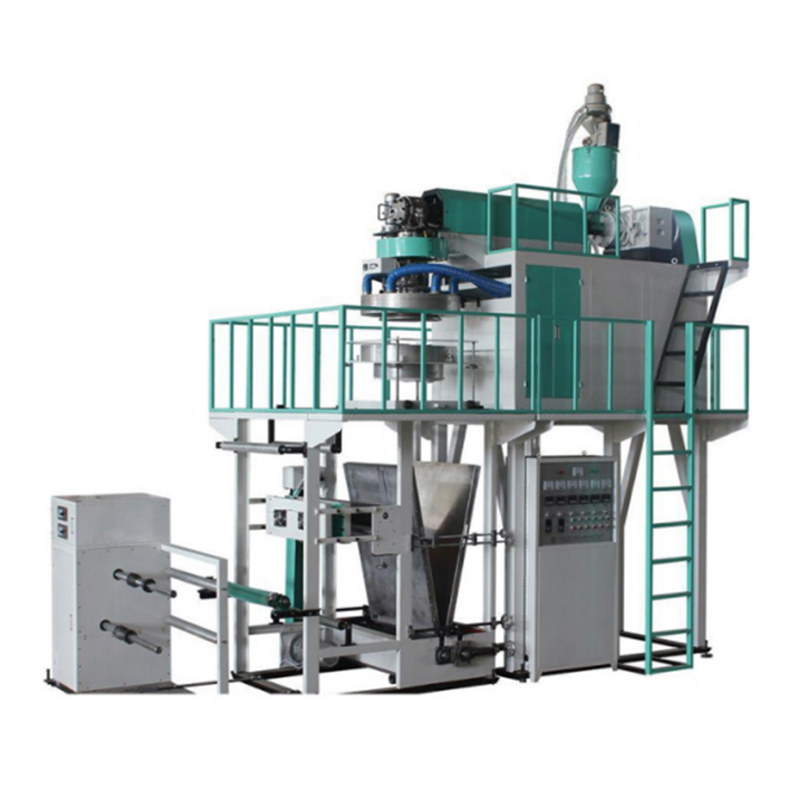
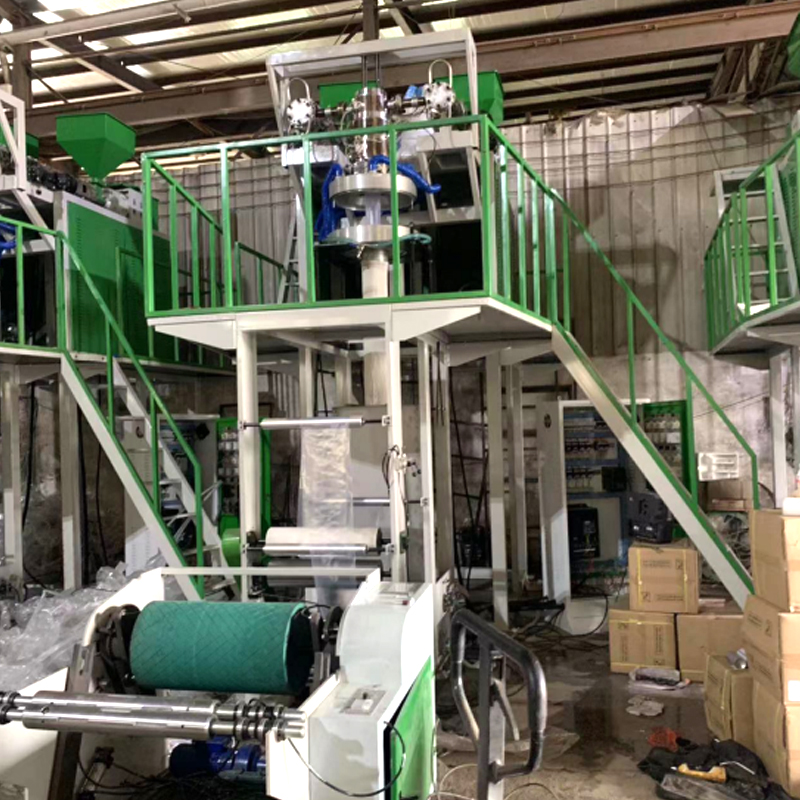
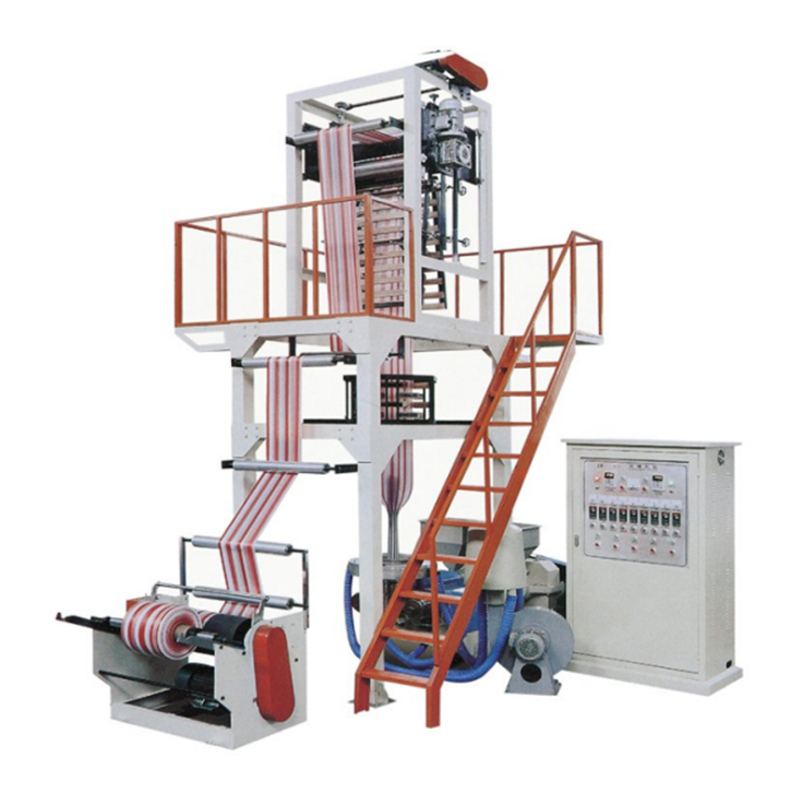
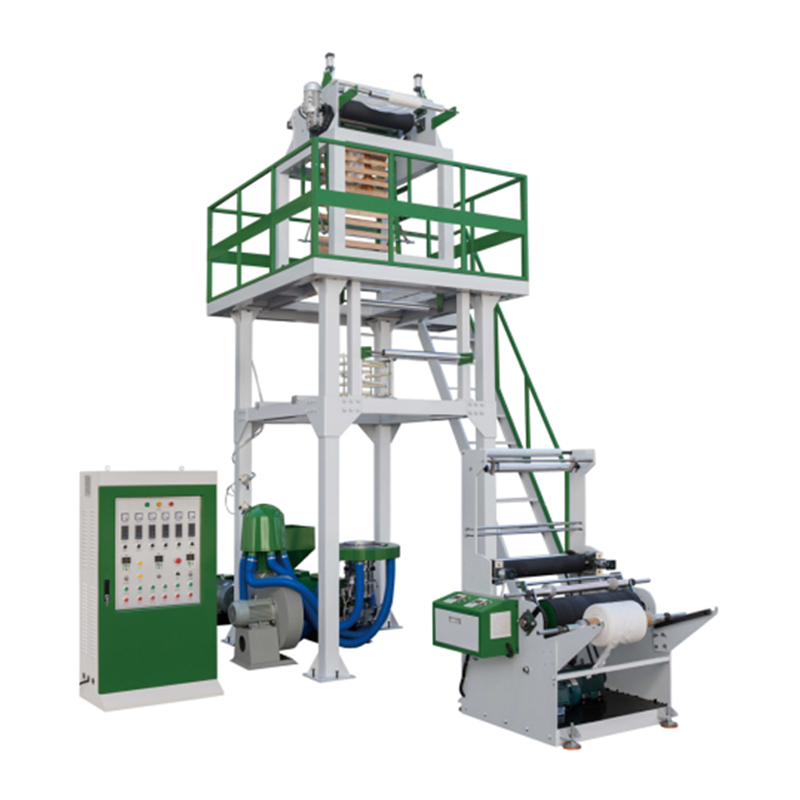
| SJ-75FM1200 Polypropylene Film Blowing Machine Performance: | Suitable for blowing polypropylene (PP) plastic film. |
| Key Technical Parameters: | |
| Screw Diameter: | ∮75mm |
| Screw Length-to-Diameter Ratio: | 1:28 |
| Screw Speed: | 10–100 rpm |
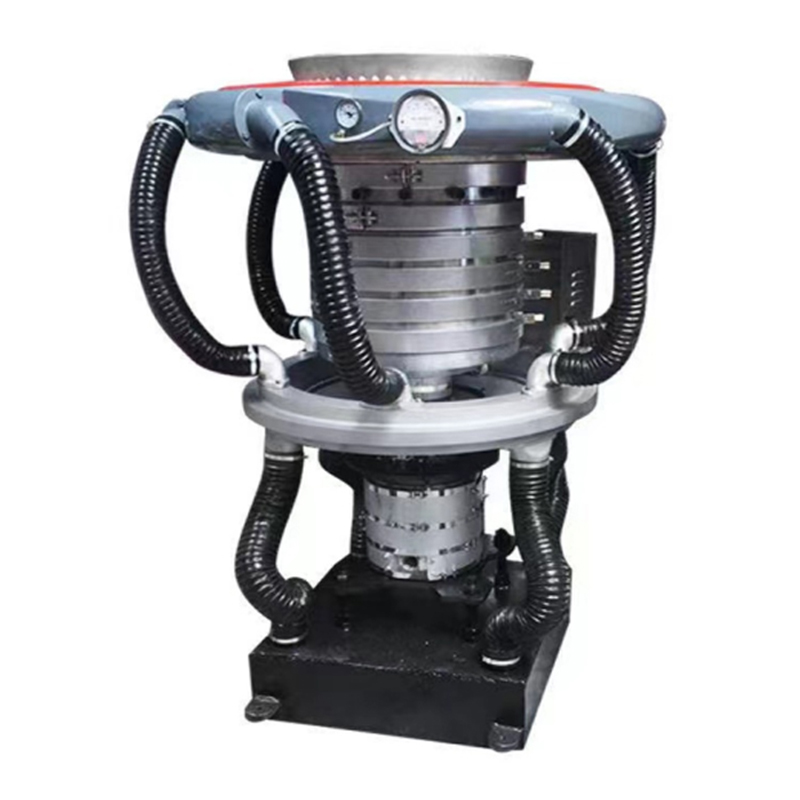
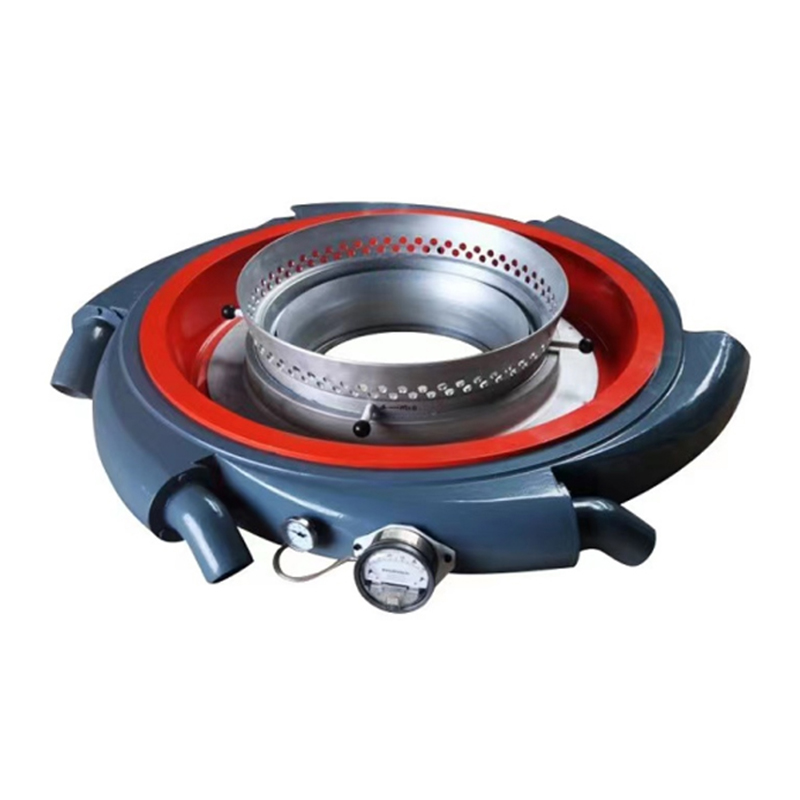
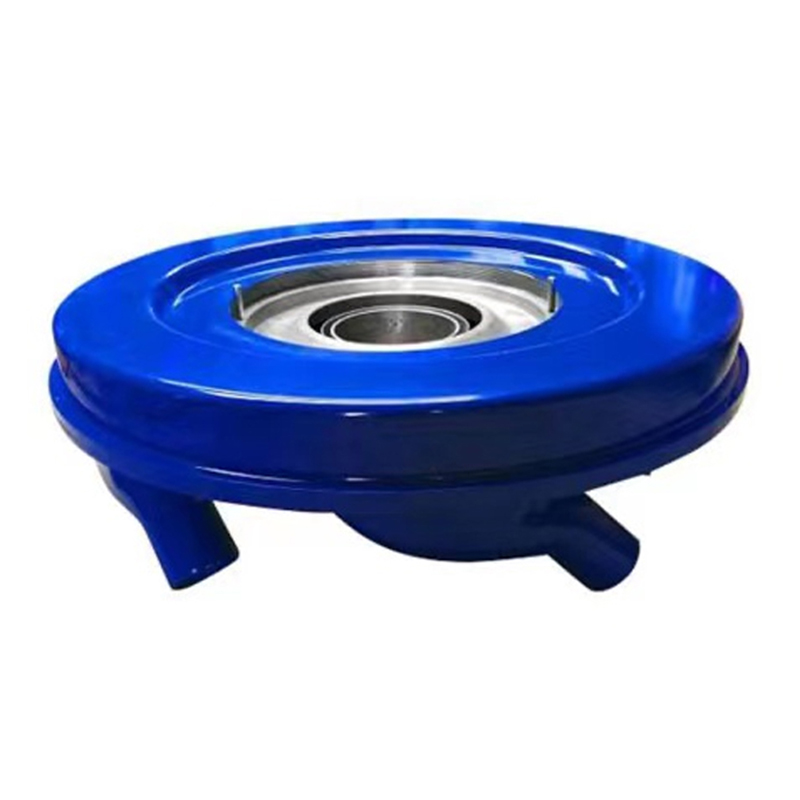
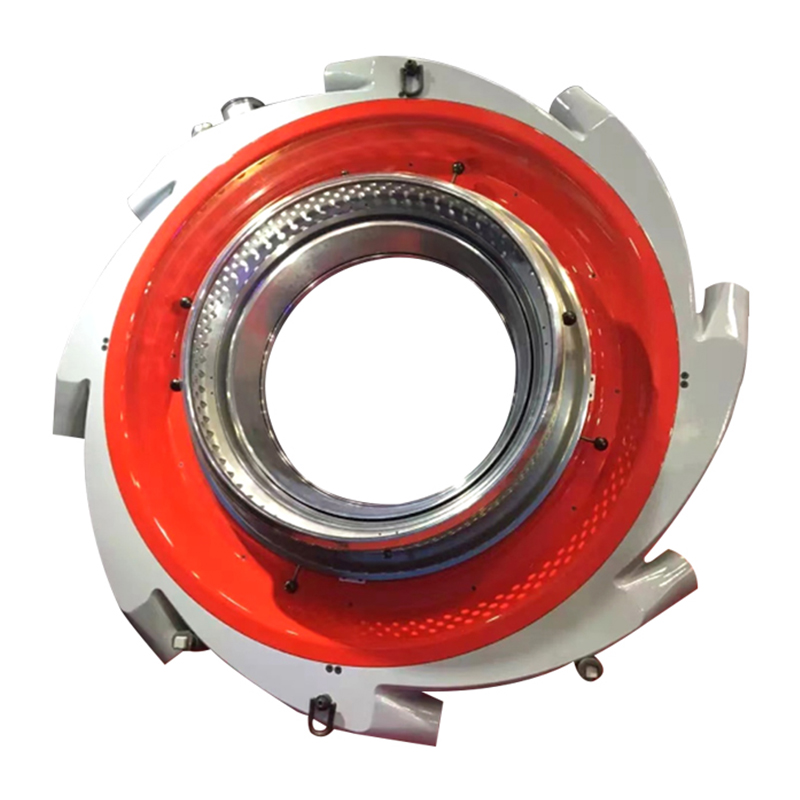
| Air Ring Aluminium Disc | |
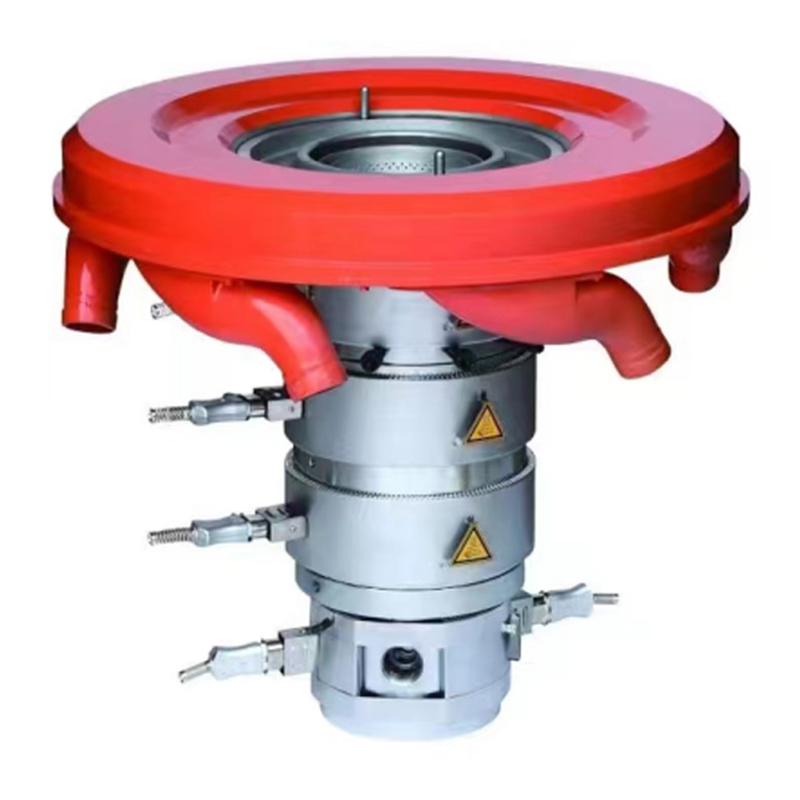
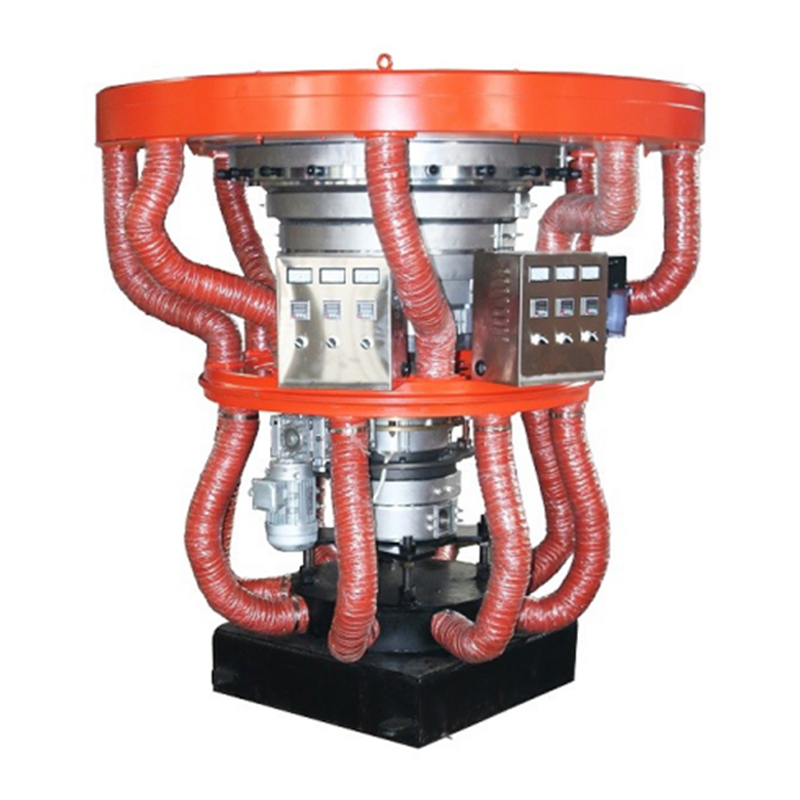
| Specification 900mm: | Rotating die head, one die head ∮350mm (high-precision hard chrome plated and tempered), |
| Rotation method: | 360° product |
| Thickness: | 0.02–0.10mm (single-layer thickness) Maximum product fold |
| Width: | 1000mm main motor |
| Power: | 30kW 380V 50Hz |
| Total power: | 50kW |
| Maximum output: | 100-120kg/h |
| Overall dimensions: | 8000×3000×5500mm |
Specific Applications
Film made on this 1200 Type Rotary Die PP Film Blowing Line supports a focused set of packaging and industrial uses:
Clear PP packaging film for stationery items, folders and document sleeves that need stiffness and good optical clarity.
Heat-resistant film for food packaging applications where moderate temperature resistance is required.
Industrial wraps and protective film used in manufacturing plants and warehouses.
Base film for certain garment and textile packaging that benefits from PP’s lower stretch and higher modulus.
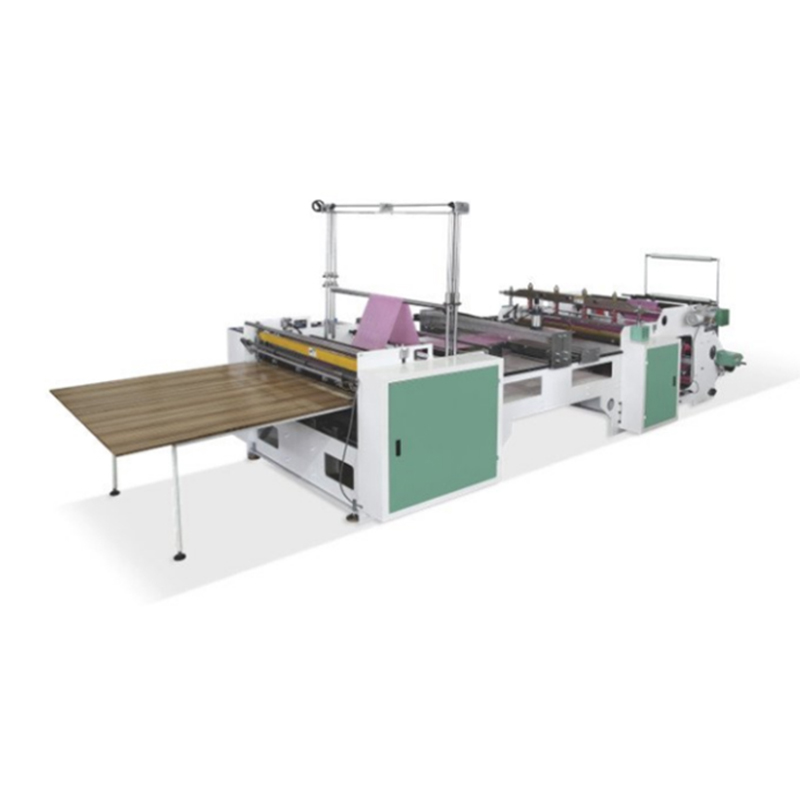
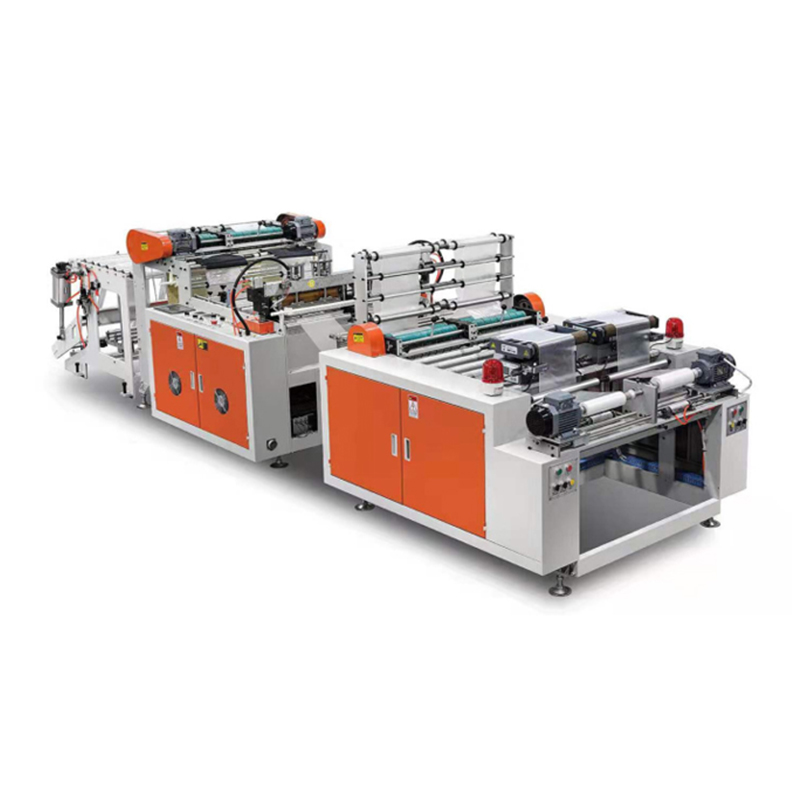
Continuous rolls that feed bag-making or cutting machines producing flat PP bags or pouches.
Film for light industrial and agricultural covers where polypropylene’s chemical resistance is useful.
All of these uses stay inside the published thickness and width limits. The 1200 Type Rotary Die PP Film Blowing Line is not intended for multi-layer barrier structures or ultra-wide polyethylene film.
Purchase Motivations
Buyers select this 1200 Type Rotary Die PP Film Blowing Line when they need a dedicated polypropylene film source. Companies introducing their own brand of PP packaging can control film quality and delivery times instead of relying on external suppliers. Converters already selling PP film or bags to stationery, food or industrial customers gain a stable upstream supply and can respond more quickly to order changes.
Cost remains a strong factor: a single-screw rotating-die line keeps both capital investment and daily running costs lower than multi-layer systems while still delivering the gauge uniformity that PP users expect. The ability to produce film with the mechanical and thermal properties unique to polypropylene is often the deciding point.
Customer Pain Point Solutions
Gauge bands that cause sealing or printing problems are reduced by the continuously rotating die head.
Attempts to run polypropylene on standard PE machines often fail; this line is configured from the screw and heating zones onward for PP.
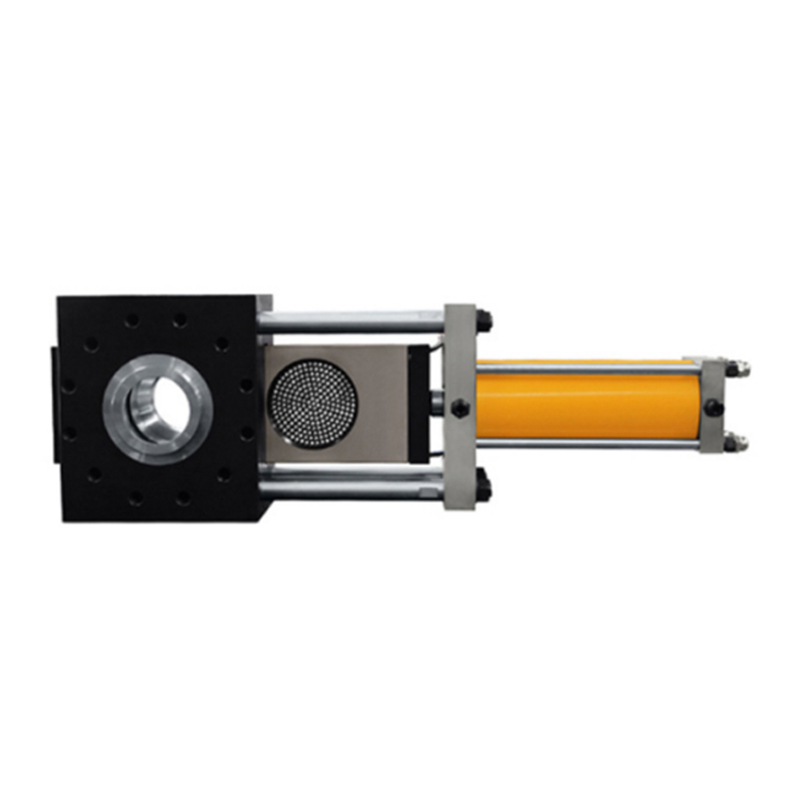
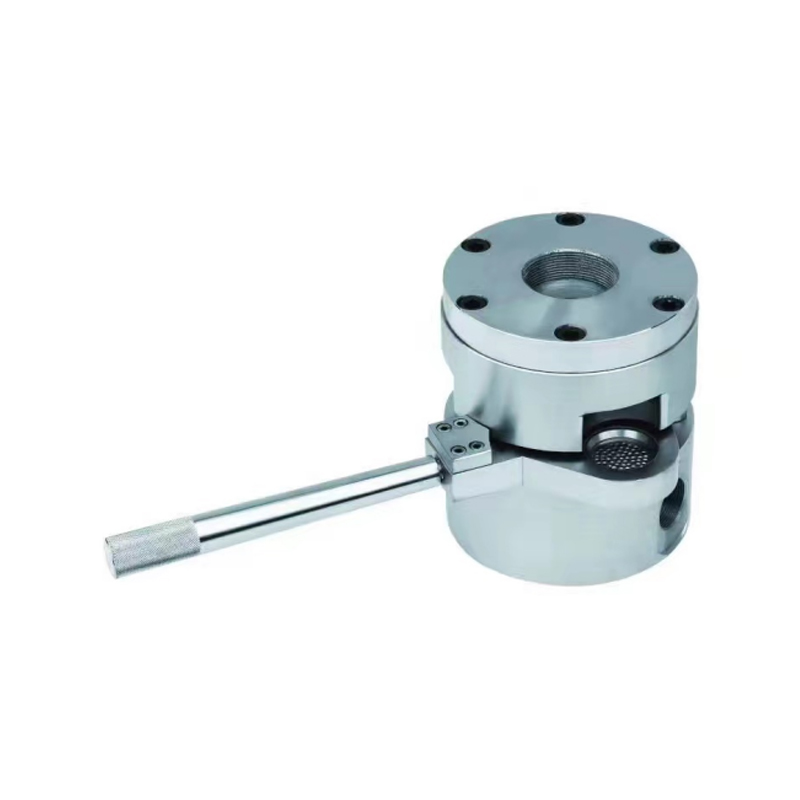
Long stoppages for screen changes are shortened by the manual changer that permits relatively quick filter replacement.
Difficulty obtaining wider single-layer PP film is addressed by the 1000 mm folded-width capacity and 1200 mm traction rollers.
Higher operating costs of multi-layer co-extrusion systems are avoided because the machine uses one screw and one die.
Uneven roll formation is improved by the independent centre-torque dual winding arrangement with multiple torque motors.
These points help converters keep polypropylene film quality consistent and production interruptions to a minimum.
FAQ
Q1: How does the rotating die improve film quality?
The 350 mm die turns continuously through 360 degrees, which helps keep thickness more uniform across the full width and reduces gauge bands.
Q2: What is the typical start-up time from cold?
Exact times vary with ambient conditions and operator experience, but the six heating zones and stainless-steel heaters are designed for relatively controlled warm-up of polypropylene.
Q3: Is the screen changer automatic?
It is a manual screen changer. Filter replacement can be carried out without a full long-term shutdown of the 1200 Type Rotary Die PP Film Blowing Line.
Q4: Can the winding system handle larger roll diameters?
The independent centre-torque dual winding system with four shafts is designed for continuous production of standard commercial rolls; maximum diameter should be confirmed with the factory for specific requirements.