

 русский
 Español

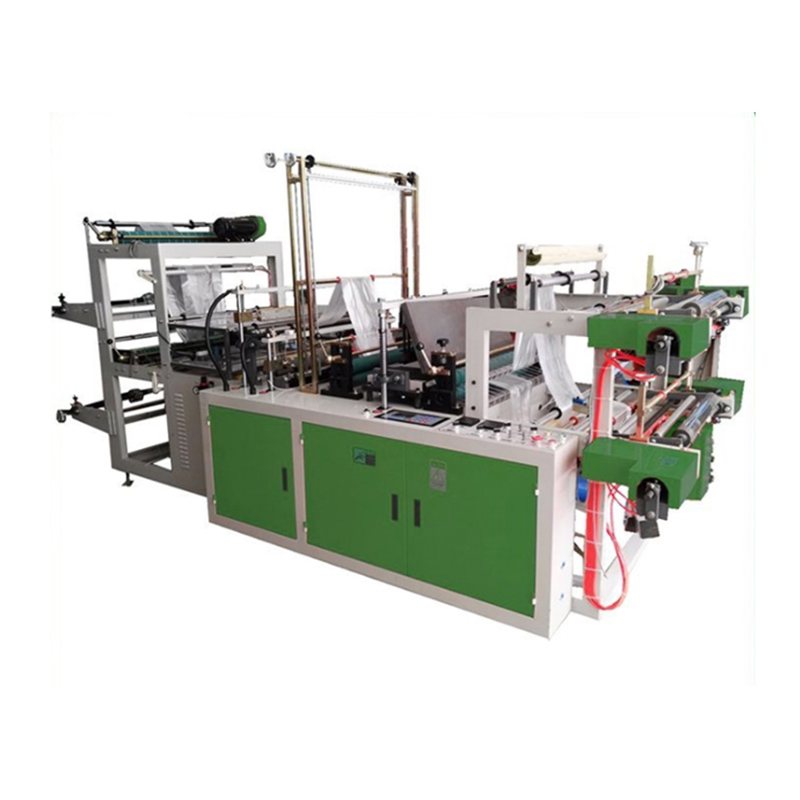
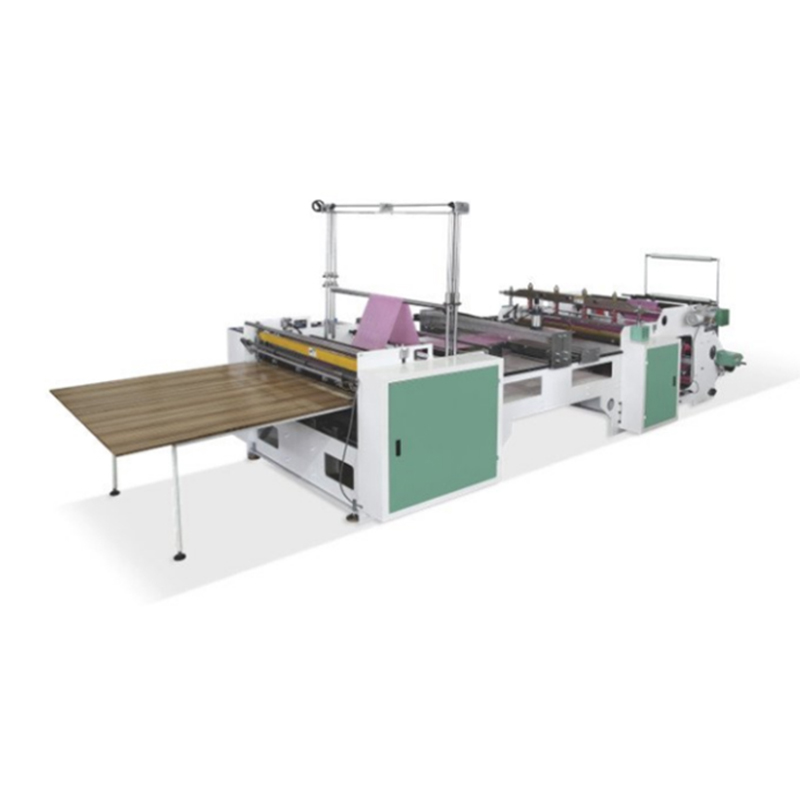
Model 800 Drawstring Bag Making Machine (Automatic Reel Change)
Use of the machine:This machine is the ideal equipment to produce all kinds of plastic flexible packaging, such as rubbish bags with drawstr...


Before molten plastic reaches the die head on a blown film or pelletizing line, it needs to pass through a fine screen that filters out debris, unmelted particles, and other contamination. The device holding that screen in place is called a screen changer, and the Manual Quick Screen Changer for Blown Film Machines handles the screen-swapping process through a mechanical, hand-operated action rather than a hydraulic system.
In practice, when the screen accumulates enough debris to restrict flow or affect pressure, the operator manually shifts a fresh screen into position using the changer's built-in mechanism, without fully disassembling the unit. Compared to a hydraulic screen changer, this manual version relies on a simpler mechanical design, making it a more accessible entry point for plants that don't need — or don't want to invest in — a fully hydraulic system.

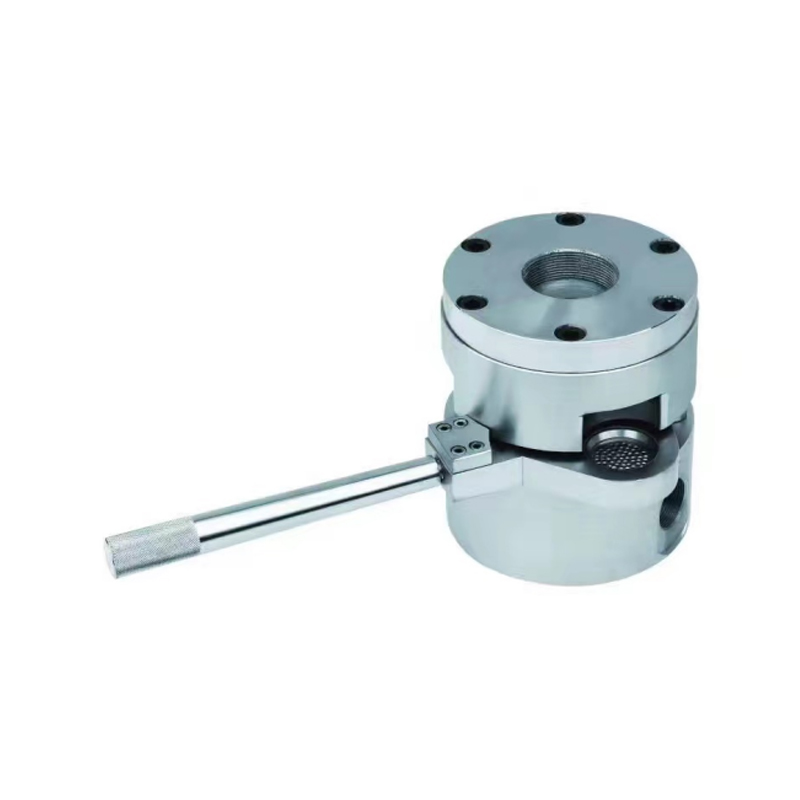
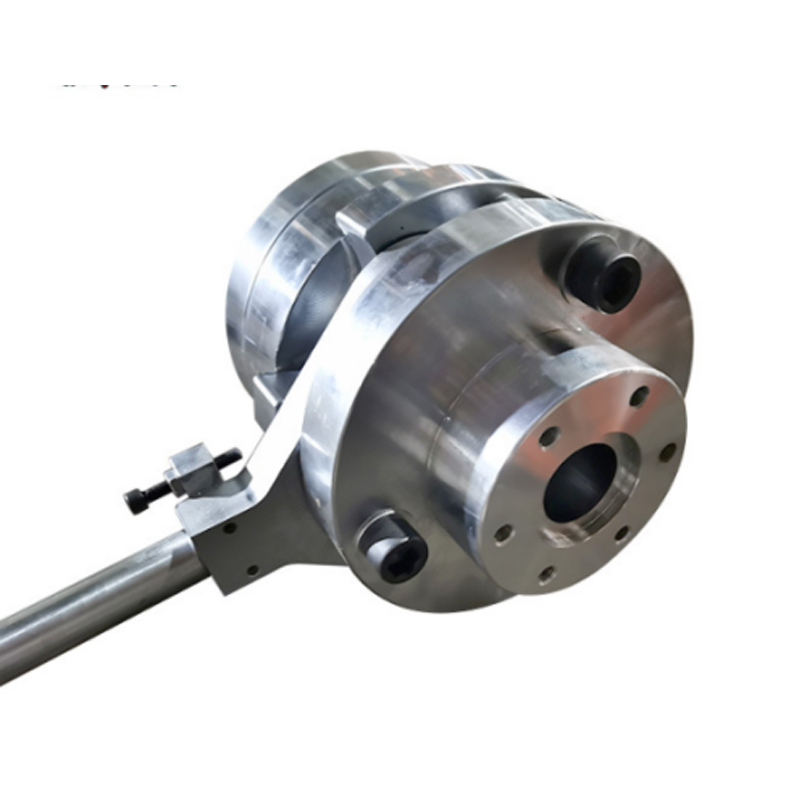
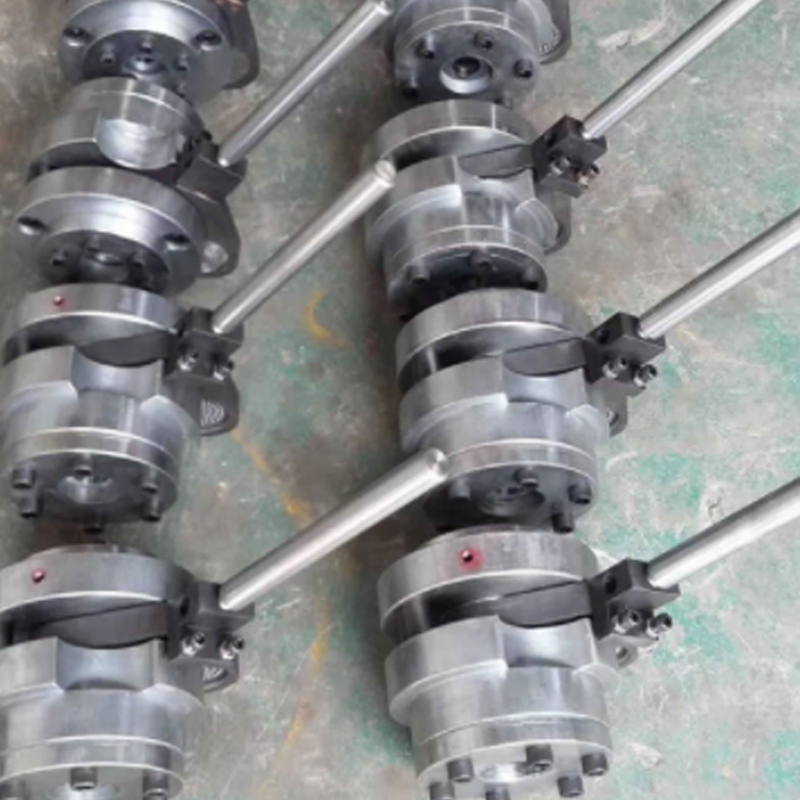
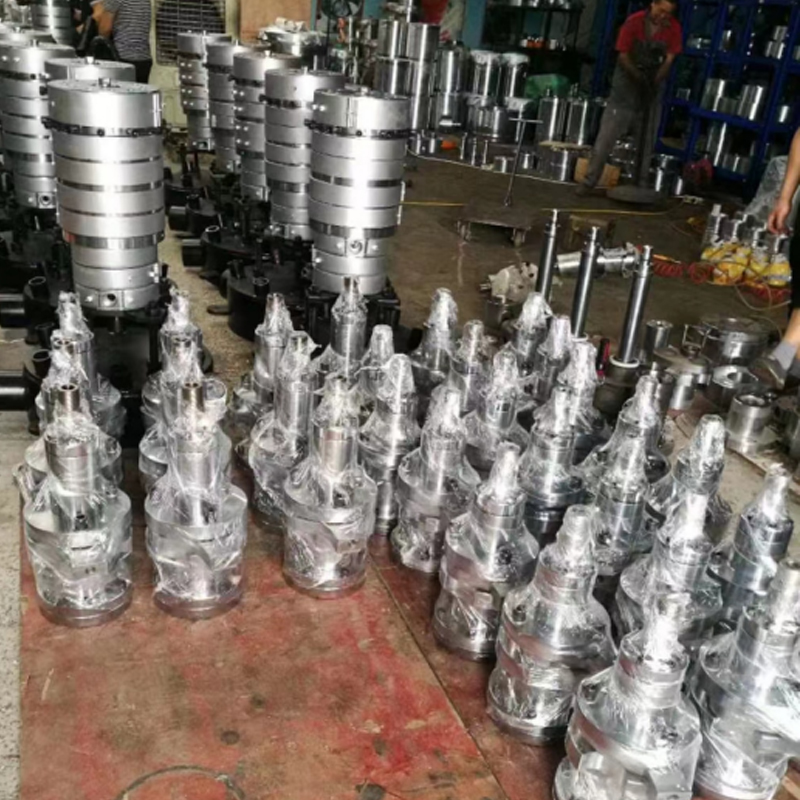
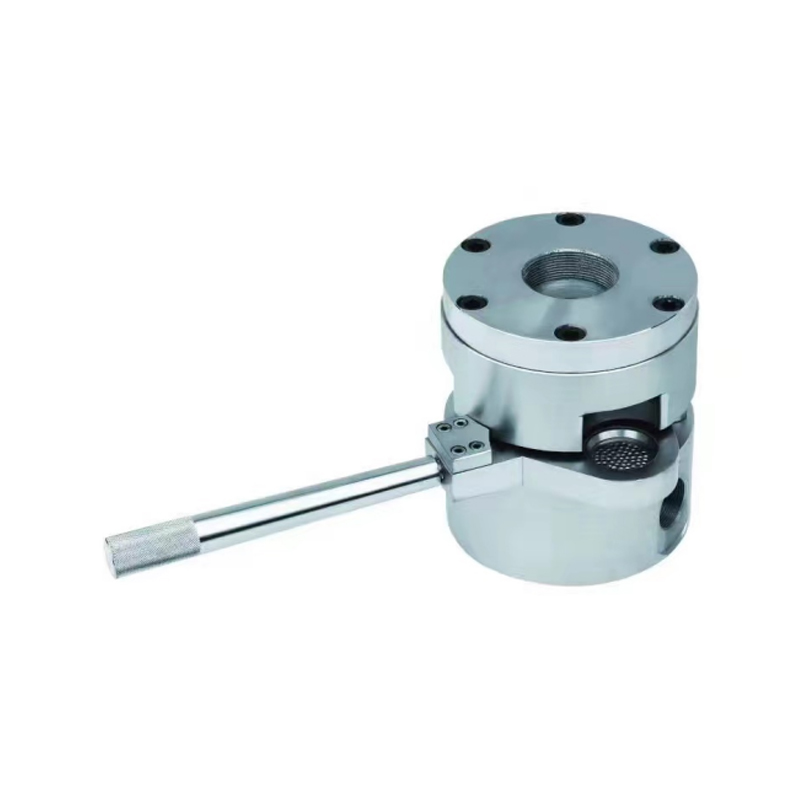
| Item No.: | Manual Screen Changer |
| Brand: | Chaoshun |
| Model: | Customisable |
| Item: | Mould head |
| Category: | Other |
| Material: | 40CR |
| Scope of application: | Film blowing machine pelletising machine |
| After-sales service: | Product quality warranty for one year |
| Specification: | Can be customised according to customer requirements |
| Whether cross-border export exclusive source | |
Typical Uses
Manual Quick Screen Changer for Blown Film Machines show up across a fairly wide range of plastic processing setups, but a few situations come up more than others:
Blown film production. This is the most common use — filtering the melt stream before it reaches the die head, which protects both film quality and the die itself from debris damage.
Pelletizing and granulating lines. Plants turning raw or recycled plastic into pellets use the same filtering principle to keep contamination out of the final product.
Smaller or budget-conscious production lines. Because a manual screen changer has a simpler mechanical design than a hydraulic one, it tends to be the more practical choice for plants that don't need automated screen swapping and want to keep equipment costs down.
Lower-volume or intermittent runs. On lines that aren't running continuously around the clock, the time difference between a manual and hydraulic screen change matters less, making the manual version a reasonable fit.
Core Functions
1. Filters molten plastic continuously as it passes from the extruder toward the die head
2. Catches unmelted particles, foreign debris, and contamination before they reach downstream equipment
3. Allows the operator to manually swap in a fresh screen once the current one clogs
4. Protects the die head from damage and blockages caused by debris in the melt stream
5. Built from 40CR alloy steel for durability under continuous heat and pressure
6. Produced to customizable specifications to fit different extruder and granulator sizes
Purchasing Motivation
Buyers sourcing this type of screen changer generally fall into a few categories, each with a slightly different reason for choosing the manual version over an automated one.
Private label and own-brand suppliers. Companies building out their own equipment or accessory line often look for a manual screen changer because it's a straightforward, well-understood component to source, customize, and rebrand — without the added engineering complexity of a hydraulic system.
Bulk and wholesale distribution. Distributors supplying multiple plants or resellers tend to favor the manual version for volume orders, since it's a simpler build with fewer components, which generally makes it easier to source and stock in quantity.
Cost-conscious plants and cost optimization. For plants where budget is the deciding factor — whether it's a smaller operation or one trying to keep accessory spend down — the manual screen changer is typically the lower-cost entry point compared to a hydraulic system, while still handling the core filtering job.
Across all three groups, the customizable sizing matters too: rather than adapting a fixed, generic part, buyers can specify a unit that matches their actual extruder or granulator setup.
FAQ
Q1: What's the difference between a manual and hydraulic screen changer?
A manual screen changer requires the operator to swap the screen by hand, while a hydraulic version does the swap automatically. The manual version has a simpler mechanical design and is generally the more budget-friendly option.
Q2: What does the screen actually filter out?
Unmelted plastic particles, dirt, and other contamination in the melt stream before it reaches the die head.
Q3: Can it be customized to match our equipment?
Yes, it's produced to customizable specifications so Manual Quick Screen Changer for Blown Film Machines can be matched to different extruder and granulator configurations.
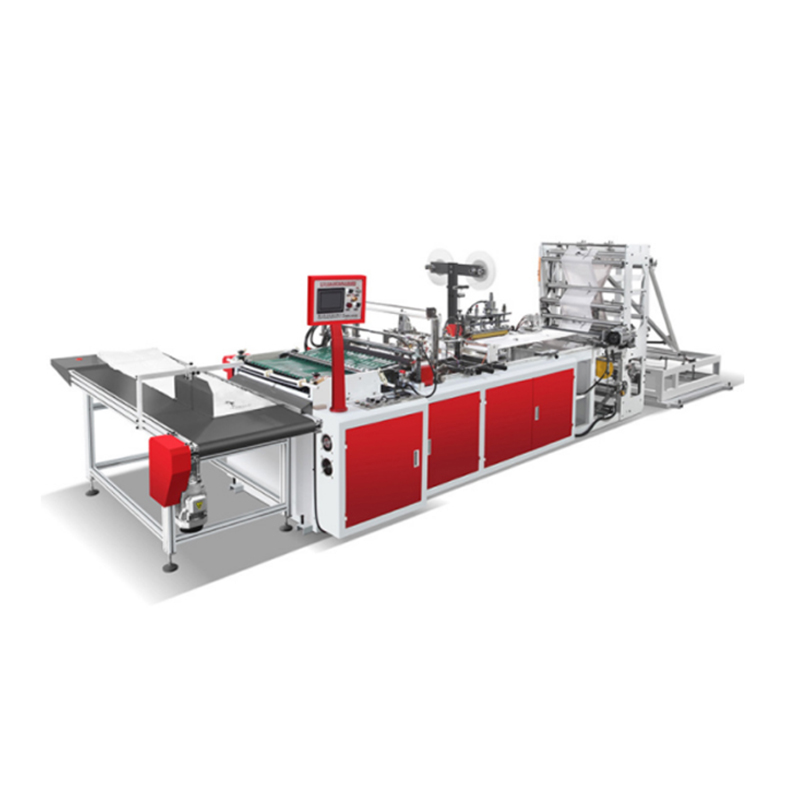

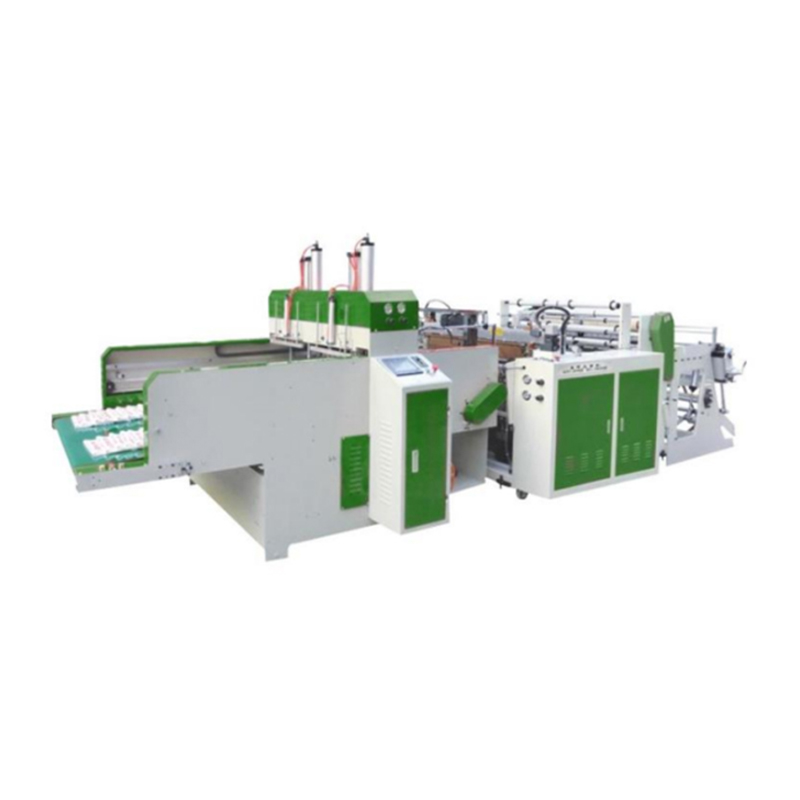
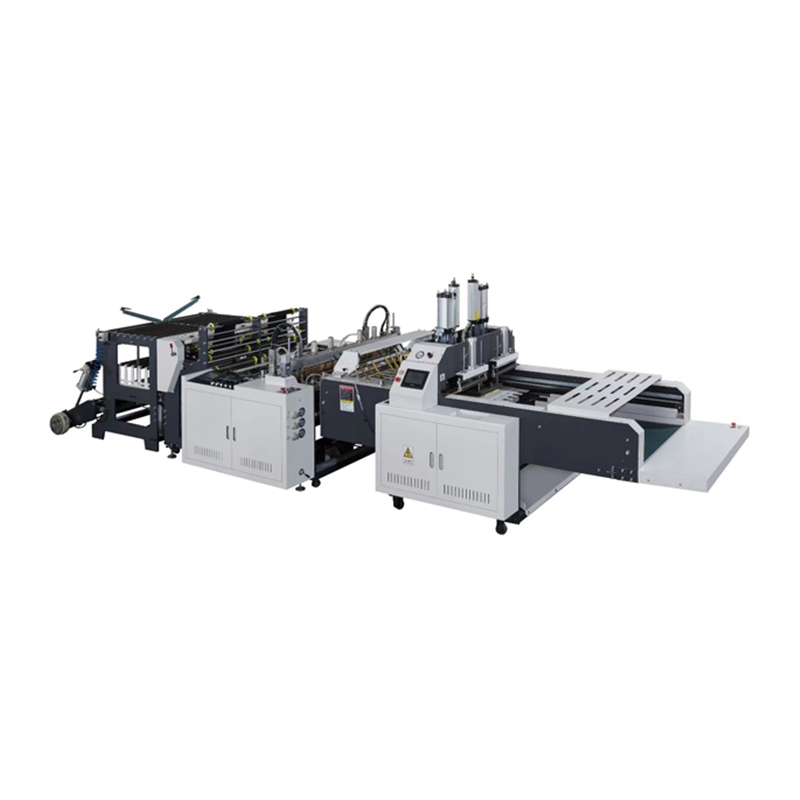
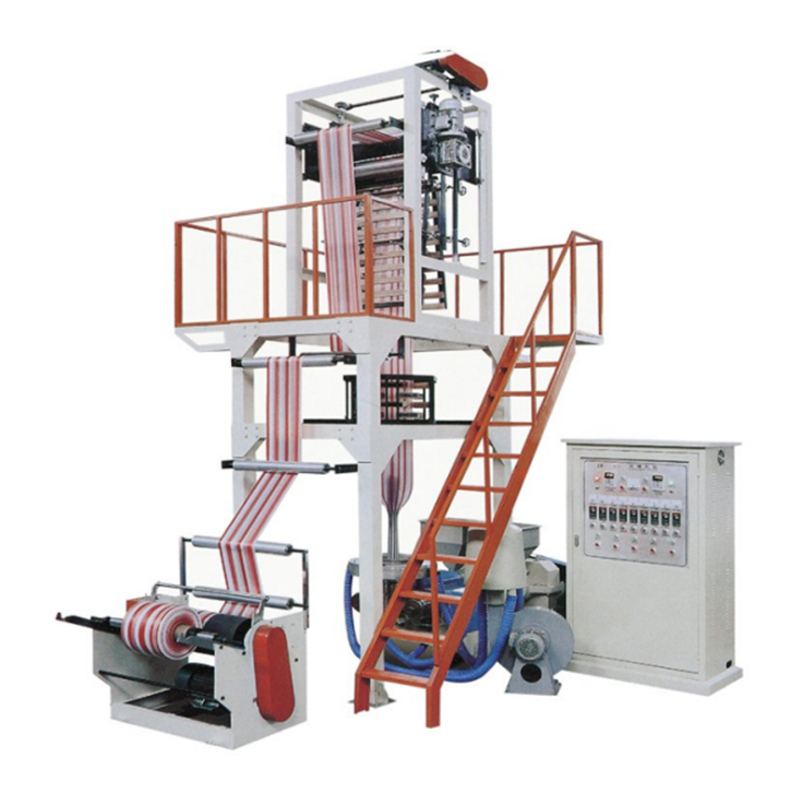
Wenzhou Chaoshun Machinery Co., Ltd. is a professional manufacturer of film blowing machines, printing machines, hot bag making machines and supporting equipment Manufacturing enterprises.
Since the establishment of the company, market-oriented, science and technology as the basis, vigorously developed new products. With excellent product quality and excellent enterprise reputation, the factory sells well in many provinces and autonomous regions throughout the country, and exports to Russia, Southeast Asia, the Middle East, Africa, and other places, trusted by users, gets consistent praise.
Our purpose: to provide the best products at a cheap price, with good service, to create a first-class plastic machine enterprise. Our factory strictly warmly welcomes friends from all walks of life at home and abroad to visit, mutual help and seek a common development great cause.
Pouch Machine Manufacturers design and build equipment that forms, fills, and seals flexible pouches from continuous film rolls. These machines serve packaging lines in food, pharmaceutical, and chemi...
READ MOREPlastic film shows up everywhere from packaging to agricultural covers, and a good portion of it starts life on a film casting machine. Unlike blown film extrusion, which shapes film through an upward...
READ MOREFrom Film Roll to Finished Bag A plastic film roll may look like a simple starting material, but turning it into a consistent batch of rubbish bags involves several coordinated steps. Film needs to en...
READ MOREFlexible packaging production often starts long before a finished bag reaches a packing line. One important stage involves turning plastic resin into a thin, continuous film. The Express Bag Blown Fil...
READ MOREIn many packaging workshops a continuous line of plastic film moves through a series of stations and emerges as finished bags with handles. The equipment that performs this conversion is known as a ve...
READ MOREFilm Preparation and Feeding Large rolls of polyethylene film arrive at the start of the line. Workers check the edges and thickness before loading them onto the unwind stand. The film then travels th...
READ MOREThe printing industry continues to use different types of equipment for packaging, labels, commercial materials, and industrial printing. Behind these machines, a Printing Press Machine Factory handle...
READ MORE