

 русский
 Español

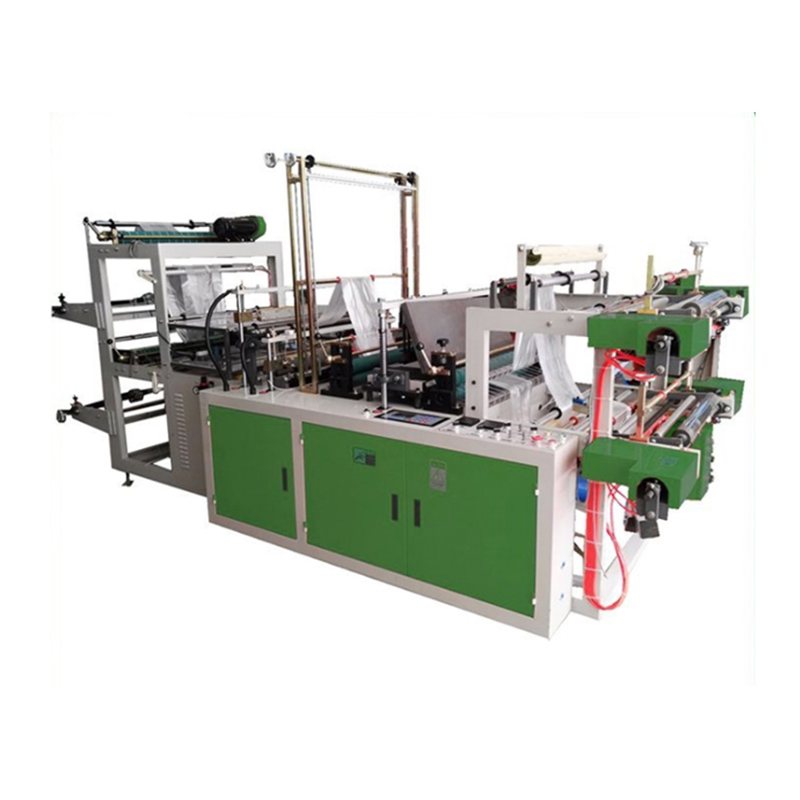
Model 800 Drawstring Bag Making Machine (Automatic Reel Change)
Use of the machine:This machine is the ideal equipment to produce all kinds of plastic flexible packaging, such as rubbish bags with drawstr...


The Hydraulic Quick Screen Changer for Blown Film Machines sits between the extruder and the die head on a blown film or pelletizing line. Its job is to hold a fine metal screen (mesh) that filters the molten plastic as it passes through, catching impurities, unmelted particles, and contamination before the material reaches the die head.
When the screen gets clogged during production — which happens naturally as it catches more debris over time — the hydraulic mechanism pushes a fresh screen into position quickly, without needing the line to fully stop and cool down. The unit is built from 40CR alloy steel, the same grade of material commonly used for die heads and other components that stay in constant contact with molten plastic, and it's produced to customizable specifications so it can be sized to match different extruder and pelletizing setups.

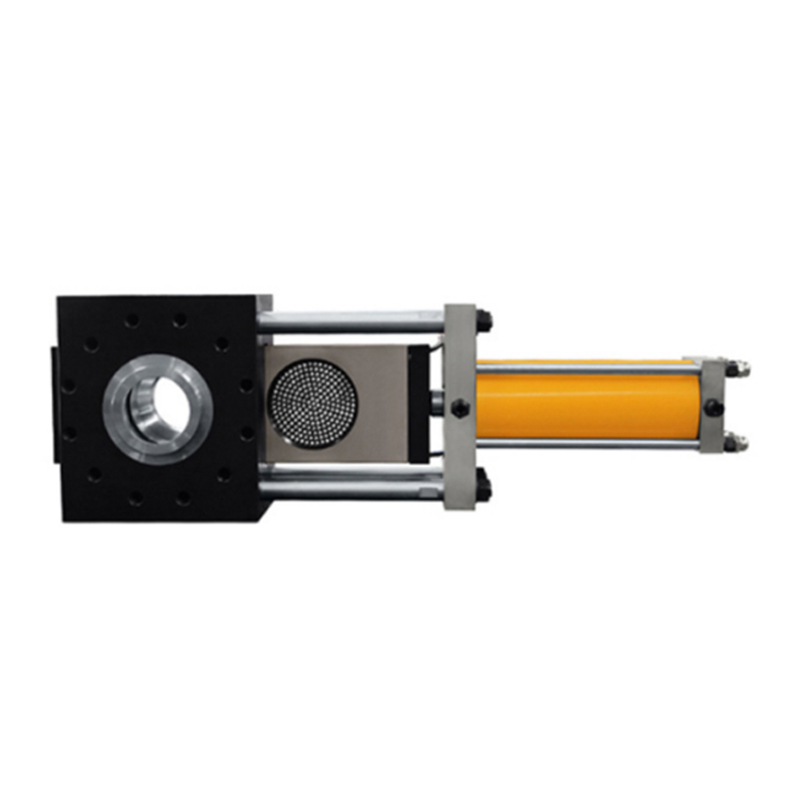
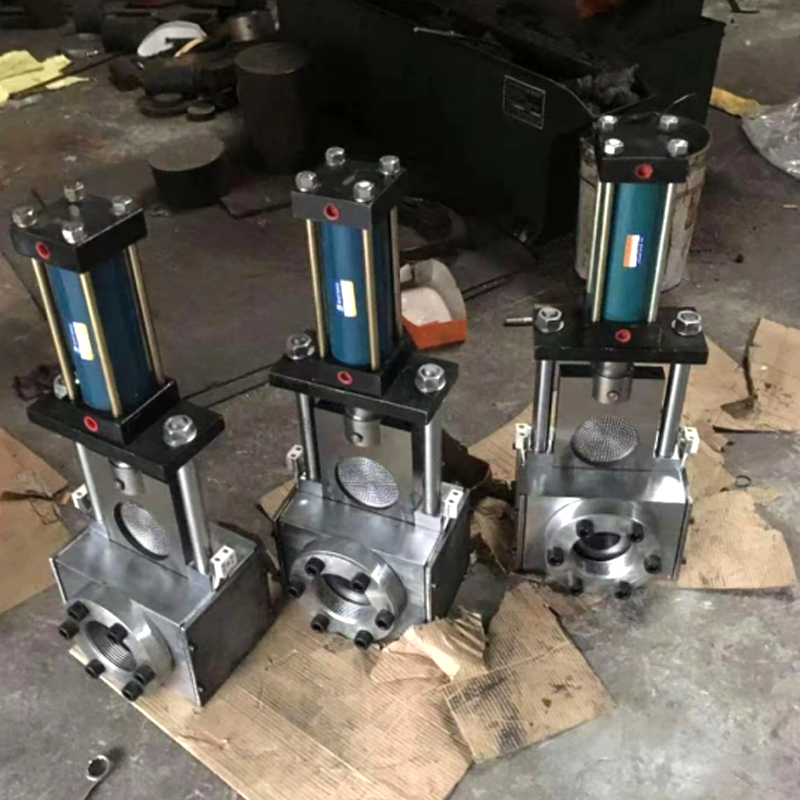
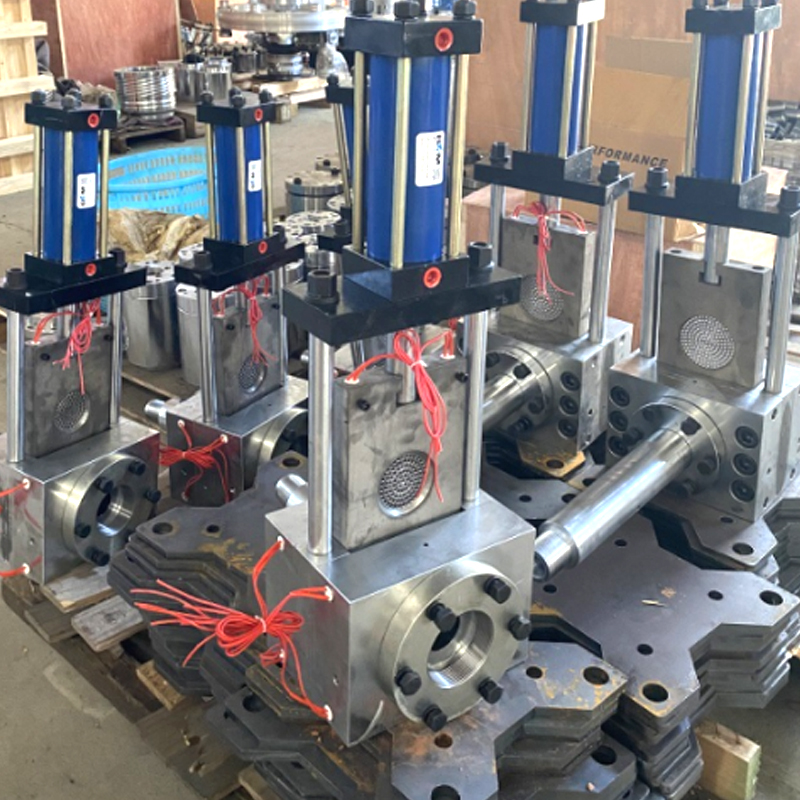
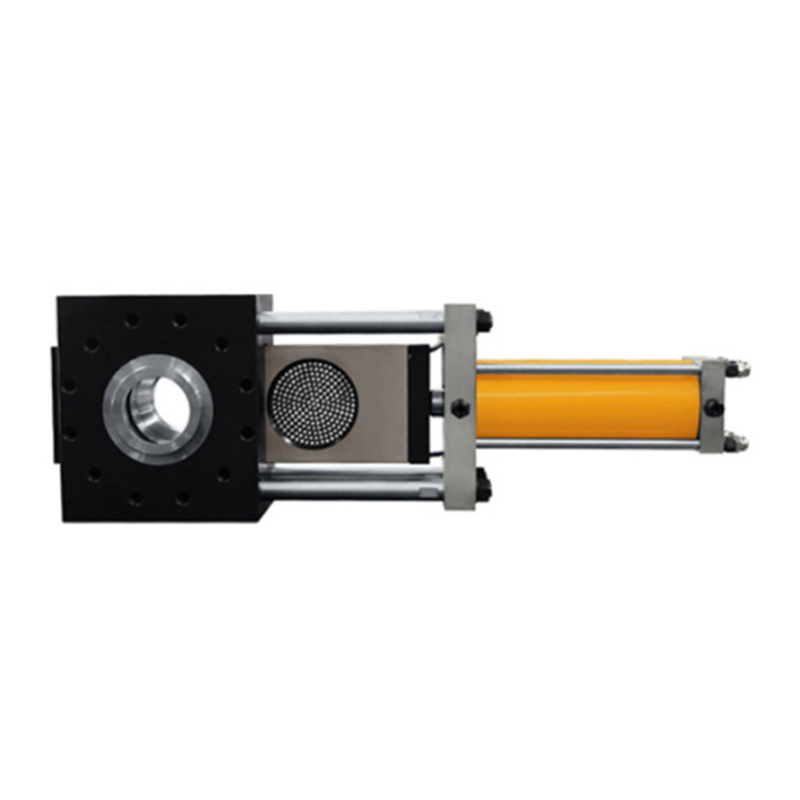
| Item No.: | Hydraulic net changer |
| Brand: | Chaoshun |
| Model: | Customisable |
| Item: | Die head |
| Category: | Other |
| Material: | 40CR |
| Scope of application: | Film blowing machine pelletising machine |
| After-sales service: | Product quality warranty for one year |
| Specification: | Can be customised according to customer requirements |
| Whether cross-border export exclusive source | |
Practical Applications
1. Blown film production lines — filtering molten plastic before it reaches the die head, protecting film quality and preventing die blockages
2. Plastic pelletizing (granulating) equipment — removing contamination from recycled or mixed-source material before it's processed into pellets
3. Recycled material processing — recycled plastic often carries more impurities than virgin resin, making a reliable screen changer more important on lines running recycled or blended feedstock
4. High-volume continuous production lines — where stopping the extruder to manually change a clogged screen would cause significant downtime
5. Multi-material or multi-batch operations — plants switching between different resin types or sources benefit from a screen changer that can be swapped quickly between runs
6. Film products sensitive to defects — such as courier bags, aquatic bags, and rubbish bags, where holes or weak points caused by unfiltered debris directly affect product quality
Core Functions
1. Hydraulic-driven screen swapping — replaces a clogged screen with a fresh one through hydraulic actuation, rather than requiring manual disassembly
2. Continuous filtration of molten plastic — the screen catches unmelted particles, contamination, and foreign material before it reaches the die head
3. Reduced production downtime — because the swap is hydraulically driven and quick, the line doesn't need to sit idle as long as it would with a manual screen change
4. Protects downstream components — filtering out debris before the die head helps prevent clogging and reduces wear on the die itself
5. Built from 40CR alloy steel — a material choice suited to components that stay under continuous pressure and heat from molten plastic
Customer Pain Points Solved
1. Frequent downtime from manual screen changes: stopping the line to manually swap a clogged screen eats into production time, especially on lines that need to change screens often. The hydraulic mechanism handles the swap faster, cutting into that downtime.
2. Contamination reaching the die head: unfiltered debris in the melt can clog the die head or create weak points and holes in the finished film. Continuous filtration through the screen catches this material before it gets that far.
3. Screens clogging faster when running recycled material: recycled or mixed-source plastic often carries more impurities than virgin resin, meaning the screen needs changing more frequently. A quicker hydraulic swap process helps plants keep up with that faster clogging rate without losing as much production time.
FAQ
Q1: What does a screen changer actually do?
It holds a fine mesh screen that filters molten plastic as it moves from the extruder toward the die head, catching debris and unmelted particles before they can affect the finished film or damage the die.
Q2: Why choose a hydraulic screen changer over a manual one?
A hydraulic system swaps the screen faster and with less manual work, which reduces the downtime that comes with stopping the line for a screen change.
Q3: What is the unit made from?
40CR alloy steel, the same material commonly used in other components that stay in continuous contact with molten plastic under heat and pressure.
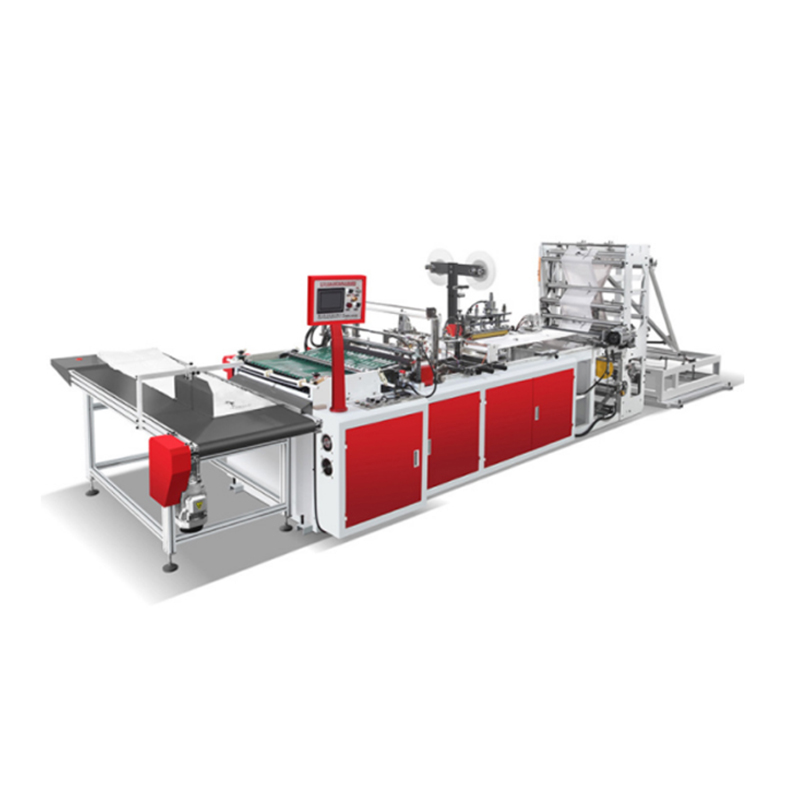

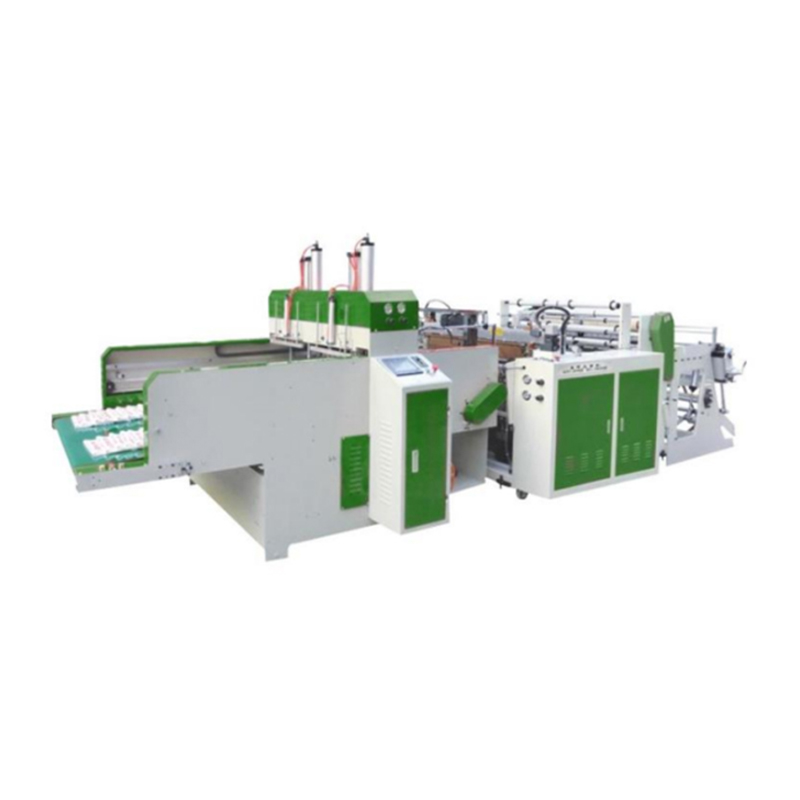
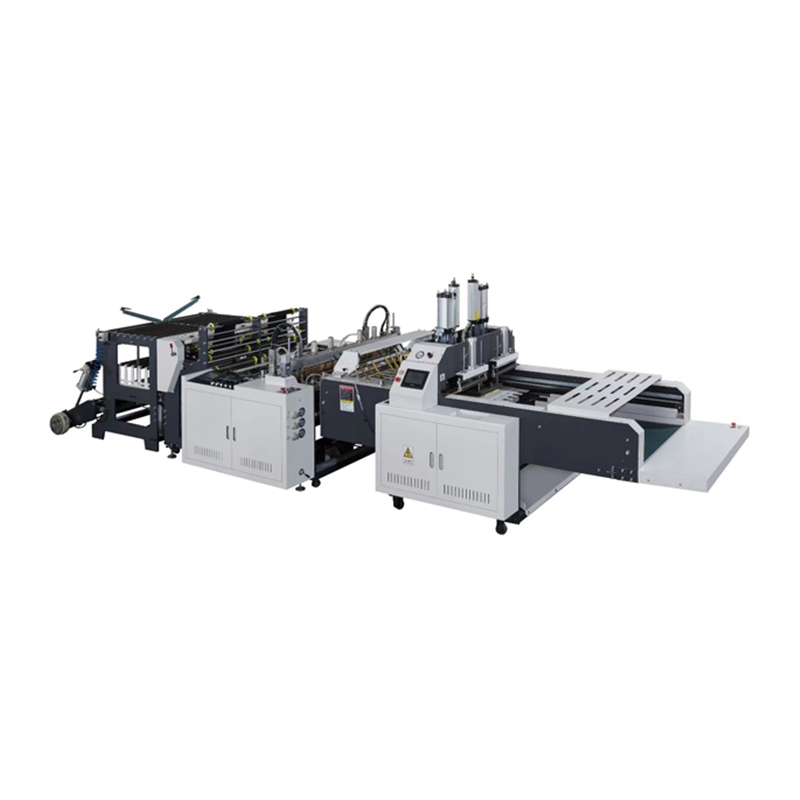
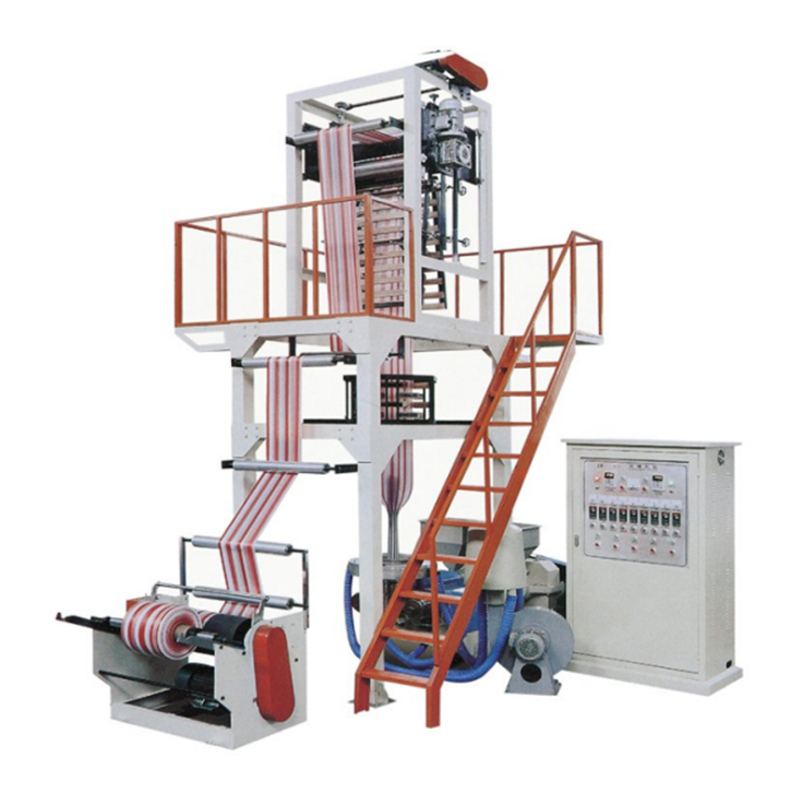
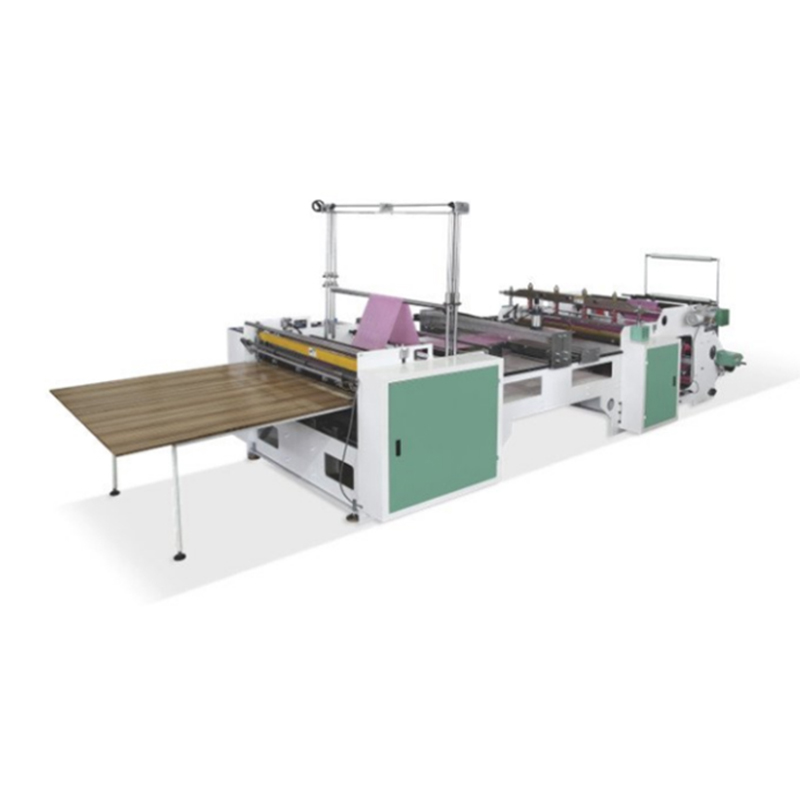
Wenzhou Chaoshun Machinery Co., Ltd. is a professional manufacturer of film blowing machines, printing machines, hot bag making machines and supporting equipment Manufacturing enterprises.
Since the establishment of the company, market-oriented, science and technology as the basis, vigorously developed new products. With excellent product quality and excellent enterprise reputation, the factory sells well in many provinces and autonomous regions throughout the country, and exports to Russia, Southeast Asia, the Middle East, Africa, and other places, trusted by users, gets consistent praise.
Our purpose: to provide the best products at a cheap price, with good service, to create a first-class plastic machine enterprise. Our factory strictly warmly welcomes friends from all walks of life at home and abroad to visit, mutual help and seek a common development great cause.
Pouch Machine Manufacturers design and build equipment that forms, fills, and seals flexible pouches from continuous film rolls. These machines serve packaging lines in food, pharmaceutical, and chemi...
READ MOREPlastic film shows up everywhere from packaging to agricultural covers, and a good portion of it starts life on a film casting machine. Unlike blown film extrusion, which shapes film through an upward...
READ MOREFrom Film Roll to Finished Bag A plastic film roll may look like a simple starting material, but turning it into a consistent batch of rubbish bags involves several coordinated steps. Film needs to en...
READ MOREFlexible packaging production often starts long before a finished bag reaches a packing line. One important stage involves turning plastic resin into a thin, continuous film. The Express Bag Blown Fil...
READ MOREIn many packaging workshops a continuous line of plastic film moves through a series of stations and emerges as finished bags with handles. The equipment that performs this conversion is known as a ve...
READ MOREFilm Preparation and Feeding Large rolls of polyethylene film arrive at the start of the line. Workers check the edges and thickness before loading them onto the unwind stand. The film then travels th...
READ MOREThe printing industry continues to use different types of equipment for packaging, labels, commercial materials, and industrial printing. Behind these machines, a Printing Press Machine Factory handle...
READ MORE