

 русский
 Español
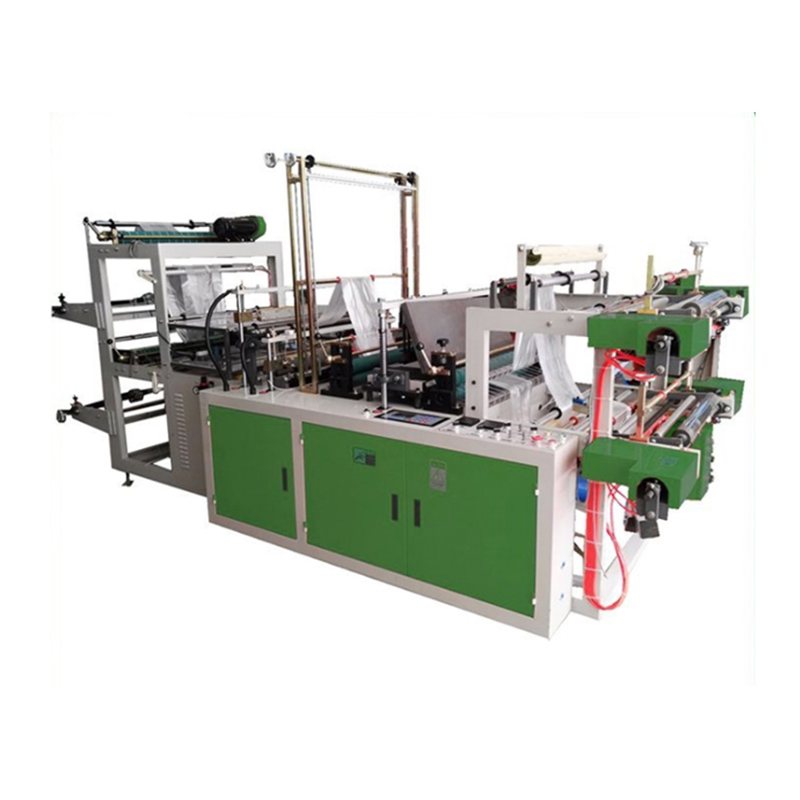
Model 800 Drawstring Bag Making Machine (Automatic Reel Change)
Use of the machine:This machine is the ideal equipment to produce all kinds of plastic flexible packaging, such as rubbish bags with drawstr...


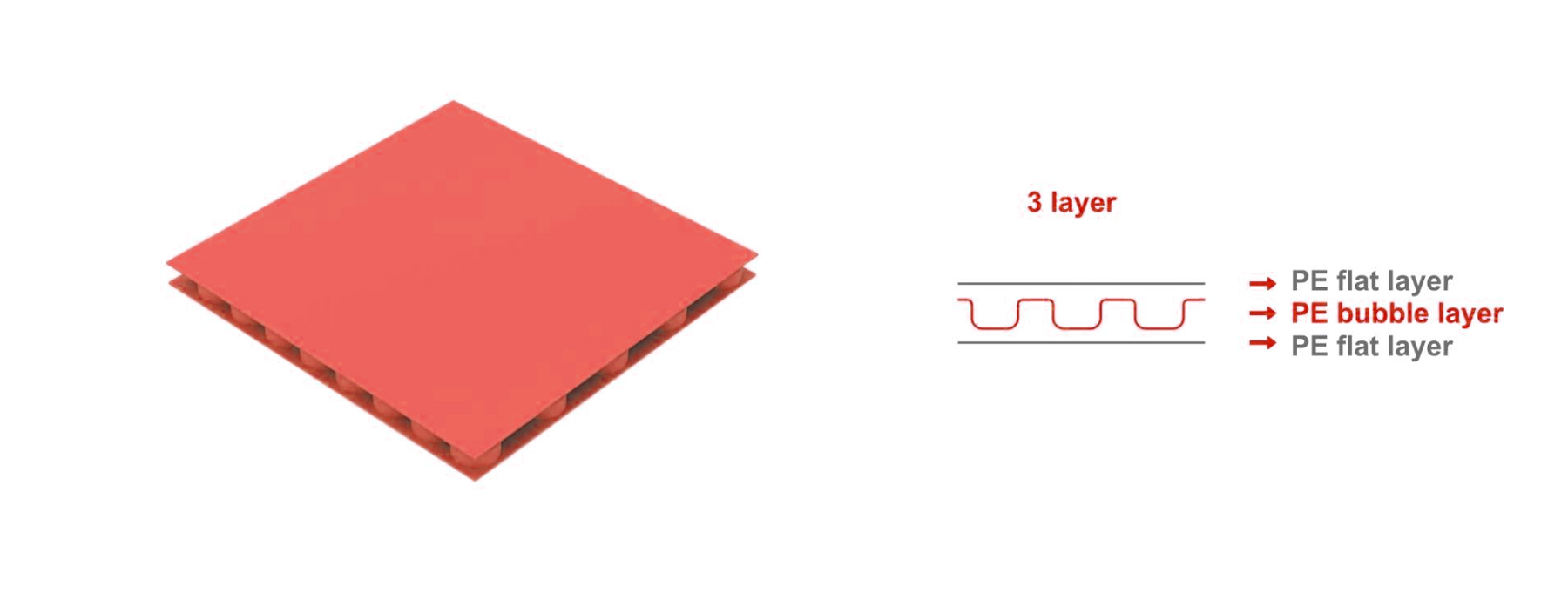
Not all three-layer bubble wrap machines are built the same way, and the difference usually comes down to what's happening at the primary extrusion stage. This Triple Screw 3-Layer Bubble Wrap Film Machine uses a twin-screw extruder for its primary system — two screws working together to process the raw material — paired with a single-screw extruder as the secondary system that adds the third layer. Between the two stages, that's three screws total working across the line, which is where "triple screw" comes from in the name.

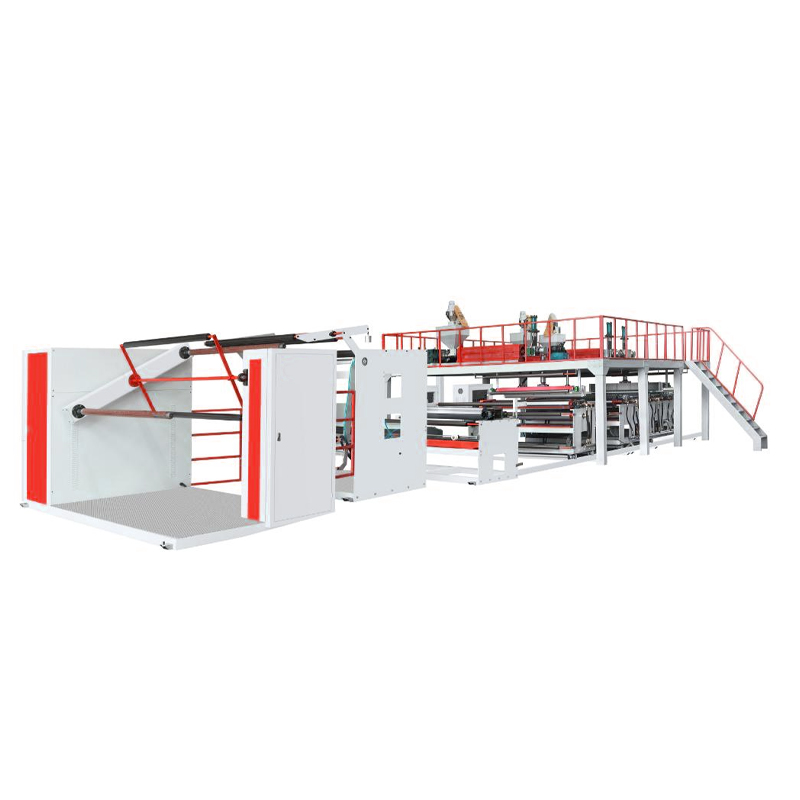
Each layer is separately controlled, can have different thickness, material formula and color.
| Item | Detail |
| Product Type | 3-LayerAir Bubble Film Machine |
| Extruder Configuration |
Primary extrusion system:twin-screw extruder;Secondary extrusion system: single-screw extruder(3screws total) |
| Film Layers | 3 layers—bubble film base plus a third laminated PE layer |
| Layer Control | Each layer independently controlled for thickness,material formula,and color |
| Production Sequence |
Primary twin-screwextruder processes raw material into bubble film;secondary single-screw extruder laminates the third PE layer |
| Main Production Units |
Primary extrusion system,secondary extrusion system,forming unit,winding unit, electronic controlsystem |
| Brand | Chaoshun |
Machine Overview
Here's how the process actually flows: the primary twin-screw extruder handles the raw material first, pushing it through and forming the base bubble film structure. From there, the secondary single-screw extruder takes over and laminates a third layer of PE film onto that bubble film, bonding the two together into the finished three-layer sheet. Compared to a version where the primary stage runs on a single screw, having a twin-screw system doing that first-stage work generally means steadier material mixing and more consistent output at the primary extrusion step — relevant for buyers running larger volumes or working with material blends that need more thorough mixing before they're formed into film.
One more thing worth knowing: on this machine, each layer can be separately controlled — meaning thickness, material formula, and color can all be set independently per layer rather than locked into one shared setting across the whole film. That gives a plant real flexibility to fine-tune the bubble layer differently from the outer laminated layer, whether that's for cost reasons, branding, or matching a specific end-use requirement.
Specific Applications
1. High-volume e-commerce and express packaging operations — plants running larger order volumes benefit from the steadier primary-stage output that a twin-screw system tends to provide compared to a single-screw primary setup
2. Furniture and large-item packaging — the three-layer structure suits heavier goods needing more cushioning depth than standard bubble wrap
3. Glassware and fragile goods protection — where consistent film quality from batch to batch matters for reliably protecting breakable items
4. Household appliance packaging — mid-size and larger appliances needing layered protection during transit
5. Multi-spec production for varied client requirements — since each layer's thickness, formula, and color can be set independently, this machine suits plants producing different film specifications for different buyers without needing separate equipment
6. Blended or mixed raw material processing — a twin-screw primary extruder generally handles material blending more thoroughly than a single-screw setup, which matters for plants working with mixed formulas or recycled content blends
Core Functions
1. Processes raw material through a twin-screw primary extruder, supporting more thorough material mixing at the first production stage
2. Laminates a third PE film layer onto the bubble film base through a secondary single-screw extruder
3. Produces a finished 3-layer film combining bubble cushioning with an added protective outer layer
4. Allows independent control of thickness, material formula, and color across each of the three layers
5. Forms, winds, and manages the full production sequence through connected forming, winding, and electronic control units
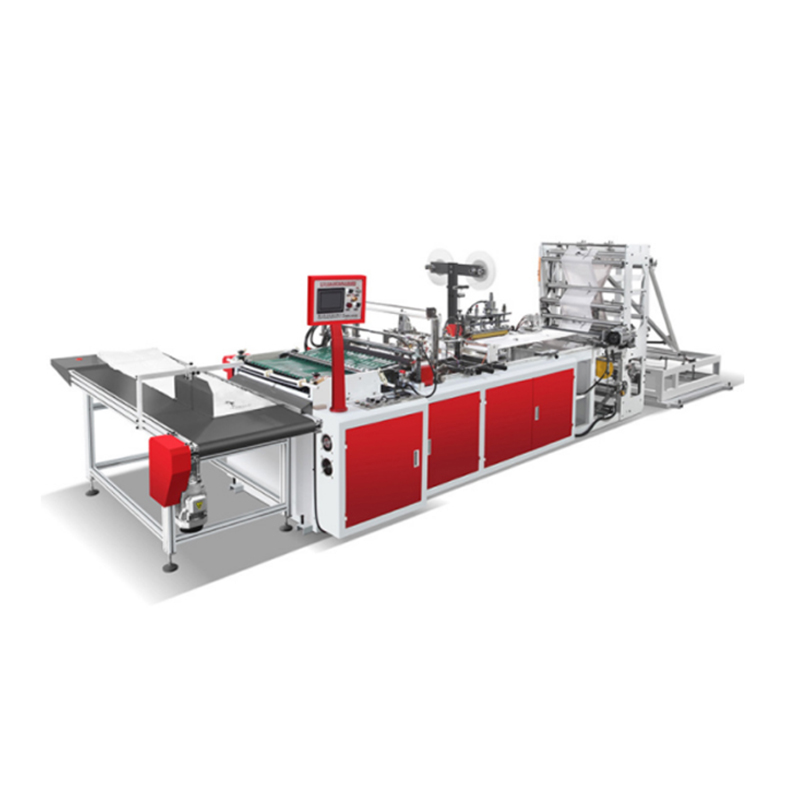

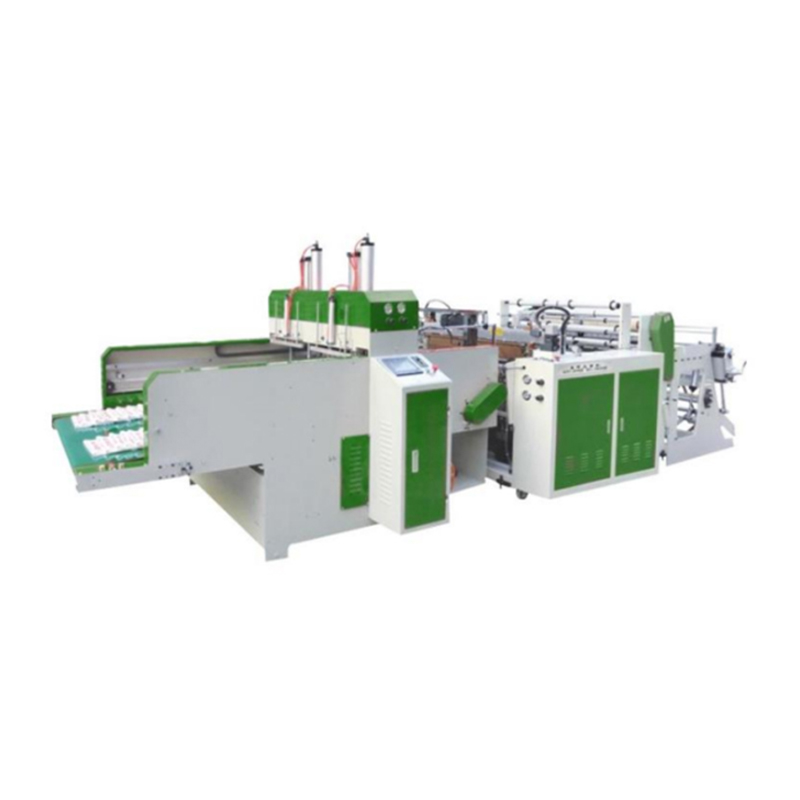
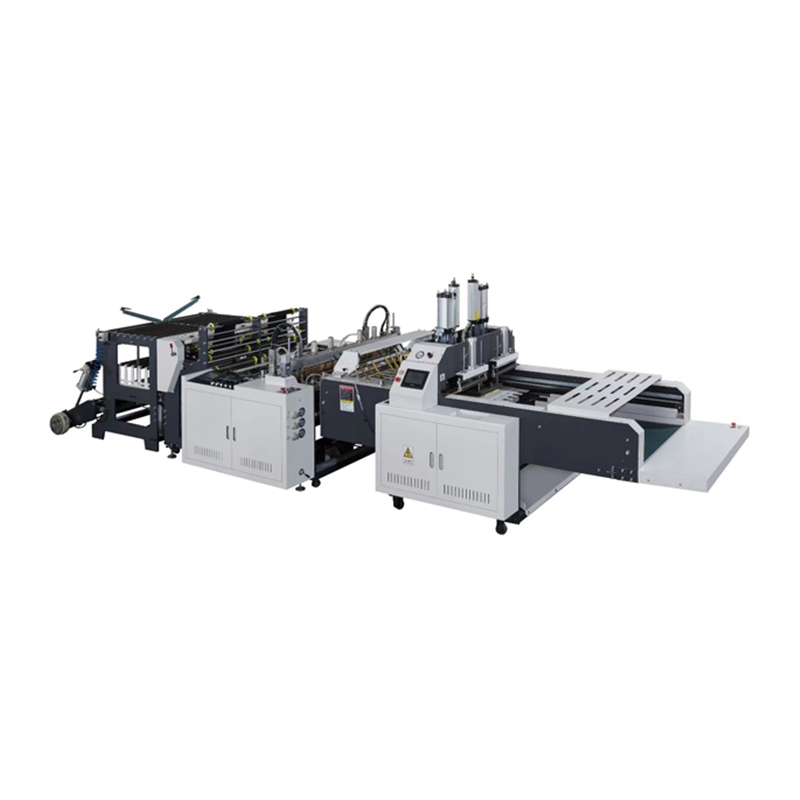
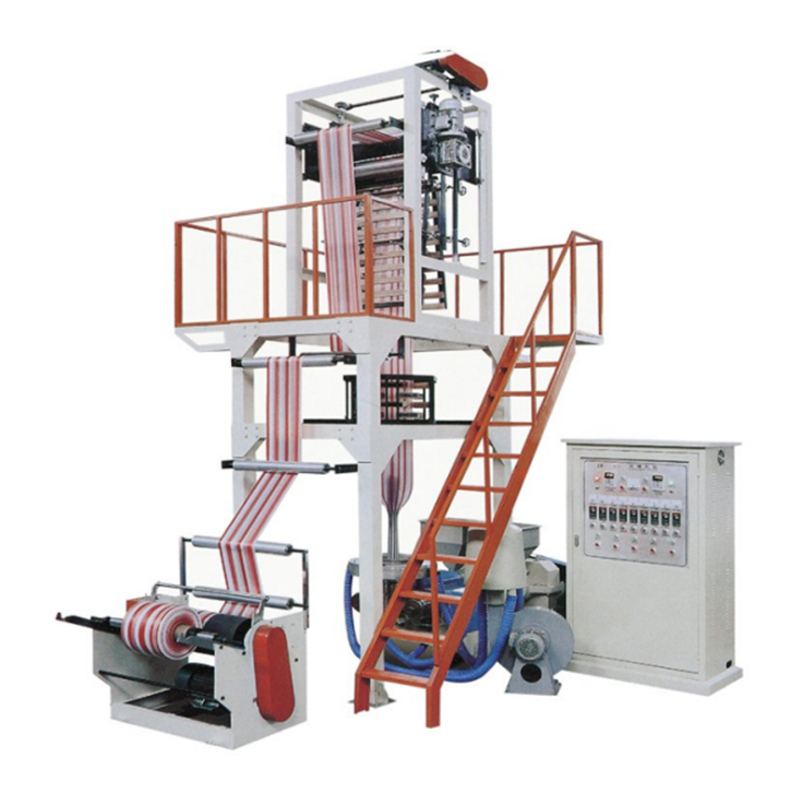
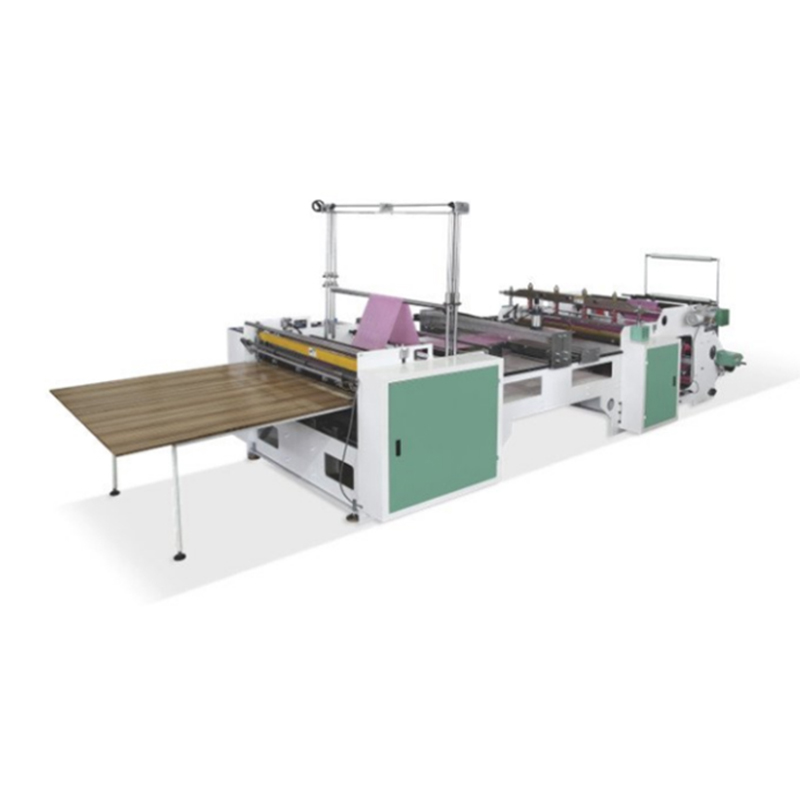
Wenzhou Chaoshun Machinery Co., Ltd. is a professional manufacturer of film blowing machines, printing machines, hot bag making machines and supporting equipment Manufacturing enterprises.
Since the establishment of the company, market-oriented, science and technology as the basis, vigorously developed new products. With excellent product quality and excellent enterprise reputation, the factory sells well in many provinces and autonomous regions throughout the country, and exports to Russia, Southeast Asia, the Middle East, Africa, and other places, trusted by users, gets consistent praise.
Our purpose: to provide the best products at a cheap price, with good service, to create a first-class plastic machine enterprise. Our factory strictly warmly welcomes friends from all walks of life at home and abroad to visit, mutual help and seek a common development great cause.
Pouch Machine Manufacturers design and build equipment that forms, fills, and seals flexible pouches from continuous film rolls. These machines serve packaging lines in food, pharmaceutical, and chemi...
READ MOREPlastic film shows up everywhere from packaging to agricultural covers, and a good portion of it starts life on a film casting machine. Unlike blown film extrusion, which shapes film through an upward...
READ MOREFrom Film Roll to Finished Bag A plastic film roll may look like a simple starting material, but turning it into a consistent batch of rubbish bags involves several coordinated steps. Film needs to en...
READ MOREFlexible packaging production often starts long before a finished bag reaches a packing line. One important stage involves turning plastic resin into a thin, continuous film. The Express Bag Blown Fil...
READ MOREIn many packaging workshops a continuous line of plastic film moves through a series of stations and emerges as finished bags with handles. The equipment that performs this conversion is known as a ve...
READ MOREFilm Preparation and Feeding Large rolls of polyethylene film arrive at the start of the line. Workers check the edges and thickness before loading them onto the unwind stand. The film then travels th...
READ MOREThe printing industry continues to use different types of equipment for packaging, labels, commercial materials, and industrial printing. Behind these machines, a Printing Press Machine Factory handle...
READ MORE