

 русский
 Español
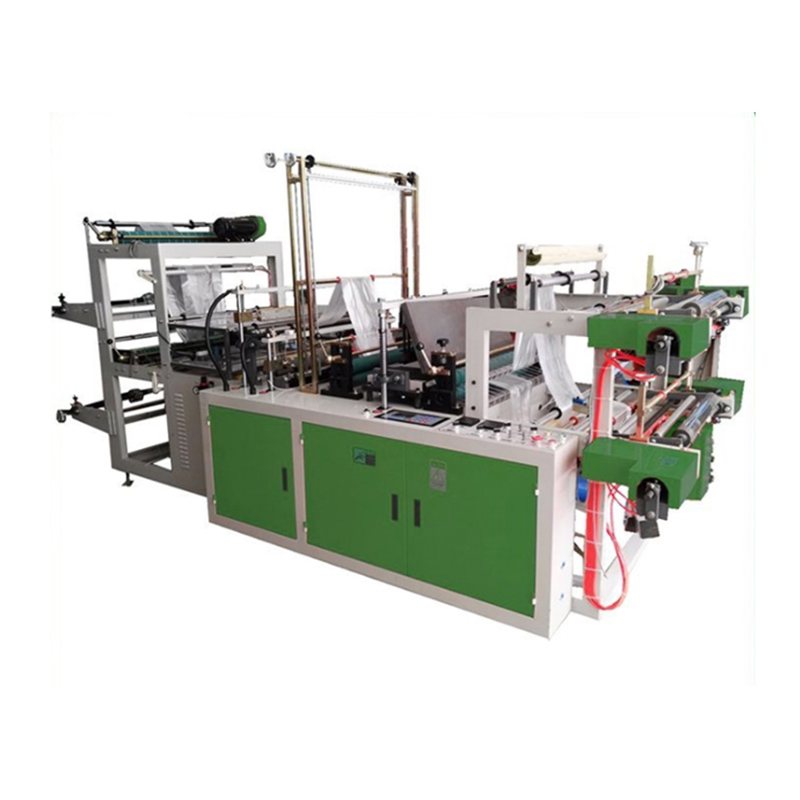
Model 800 Drawstring Bag Making Machine (Automatic Reel Change)
Use of the machine:This machine is the ideal equipment to produce all kinds of plastic flexible packaging, such as rubbish bags with drawstr...


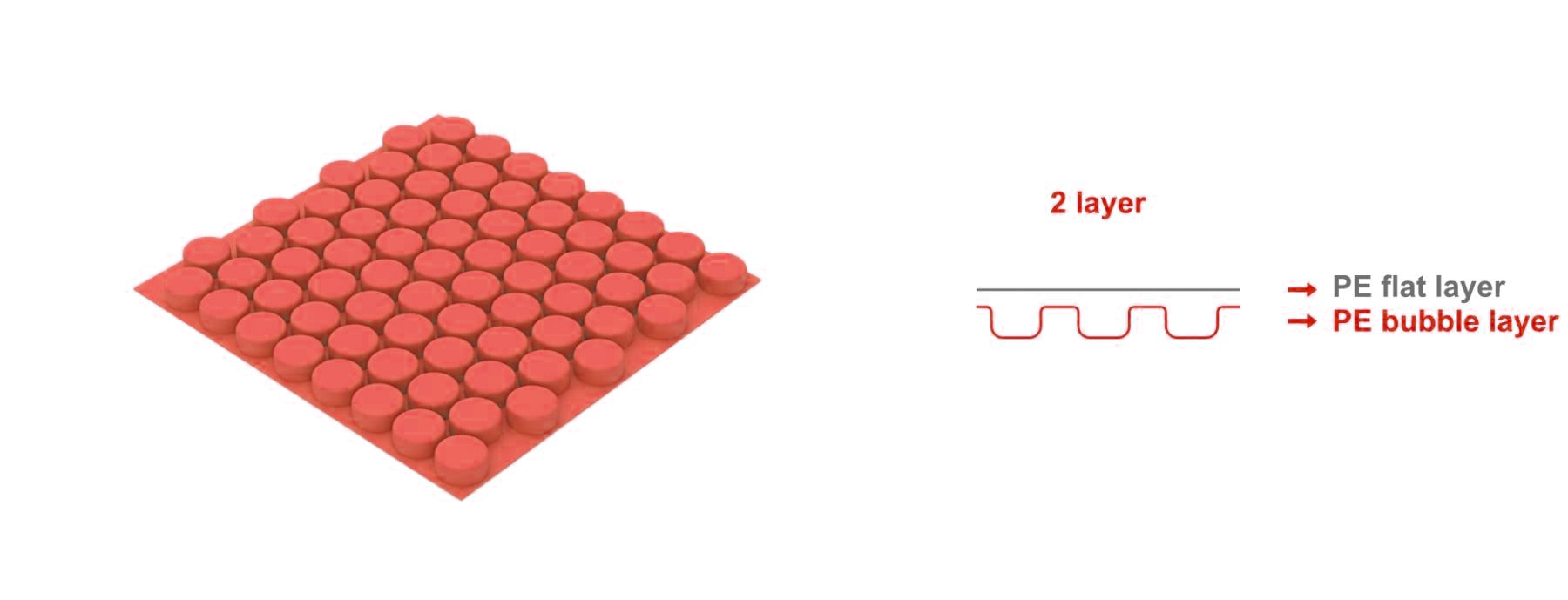
This is a production line that manufactures bubble wrap film using two separate extruders instead of one. Where a single screw setup melts and pushes all the raw material through one shared extrusion line, this Double Screw 2-Layer Bubble Wrap Film Machine runs the bubble layer and the base (back) layer through two independent extrusion paths.
That separation is the whole point of this machine. Because each layer has its own extruder, an operator can set a different thickness, a different raw material formula, and even a different color for the bubble layer versus the back layer — all within the same production run. A single screw machine can't do this the same way, since everything shares one melt stream.

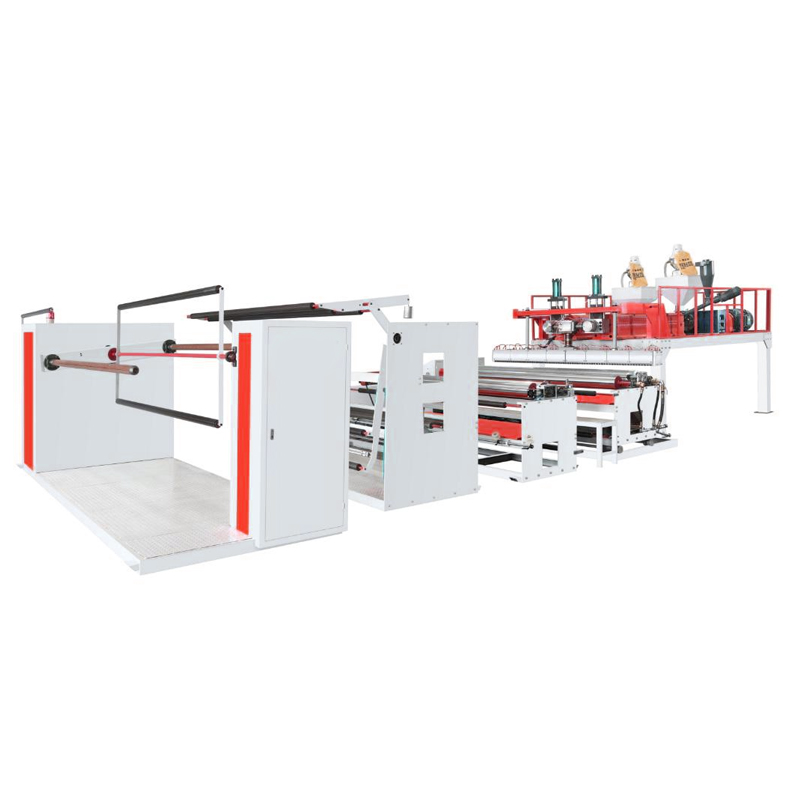
Each layer is separately controlled, can have different thickness, material formula and color.
| Item | Detail |
| Product Type | 2-LayerAir Bubble Film Machine |
|
Extruder Configuration |
Double screw extrusion(two separate extruders—one per layer) |
| Film Layers | 2 layers:bubble layer+back layer |
| Layer Control | Each layer independently controlled for thickness,material formula,and color |
| Main Production | Double screw extrusion unit,forming unit,slitting unit,winding unit,electric control unit |
| Units | |
| Brand | Chaoshun |
Specific Applications
1. E-commerce and courier packaging — bubble wrap remains one of the most-used cushioning materials for online order fulfillment
2. Furniture and large-item packaging — larger goods that need heavier cushioning can use a thicker, tougher bubble layer paired with a lighter, cost-optimized back layer
3. Glassware and fragile goods protection — where bubble-layer thickness and strength matter more than the back layer, independent layer control lets a plant prioritize that
4. Household appliance packaging — surface protection needs that benefit from consistent bubble-layer performance across different product sizes
5. Auto parts packaging — components needing vibration and impact protection during transport between manufacturing and distribution points
Purchasing Motivation
Launching a private label or own-brand product. Independent layer control means a plant can put a specific back-layer color on the film — useful for branding — without needing to change the bubble layer's material or performance. This is a common reason buyers choose the double screw version specifically when building out a branded bubble wrap product line.
Supplying bulk or wholesale customers. Distributors serving multiple retail or industrial buyers with different film specs (some clients wanting stronger bubble layers, others wanting specific colors) can meet those varied requirements from one machine instead of running separate production setups for each client's requirements.
Cost optimization. Because the back layer can run a different, often cheaper material formula than the bubble layer, plants can manage material costs more precisely — putting higher-cost material only where it's actually needed (the bubble layer, which does the cushioning work) while using a more economical formula for the back layer. This is a meaningful cost lever compared to a single-extruder machine, where both layers are locked into the same material cost.
Customer Pain Points Solved
Needing different material specs for the bubble layer versus the back layer. A single-extruder machine forces both layers to share one material stream. This machine's two separate extruders let each layer run its own formula, so buyers aren't stuck compromising between "strong enough bubble layer" and "cost-efficient back layer."
Managing material costs across different film specs. Plants serving multiple buyers with different quality or cost requirements often need flexibility that a single, fixed material formula can't provide. Running different formulas per layer gives more room to control cost without giving up bubble layer strength.
Producing for multiple clients without multiple machines. Switching between different color or material combinations on a single-extruder line typically means downtime to reformulate. With two independent extruders, layer-specific adjustments can be made without disrupting the whole production formula.
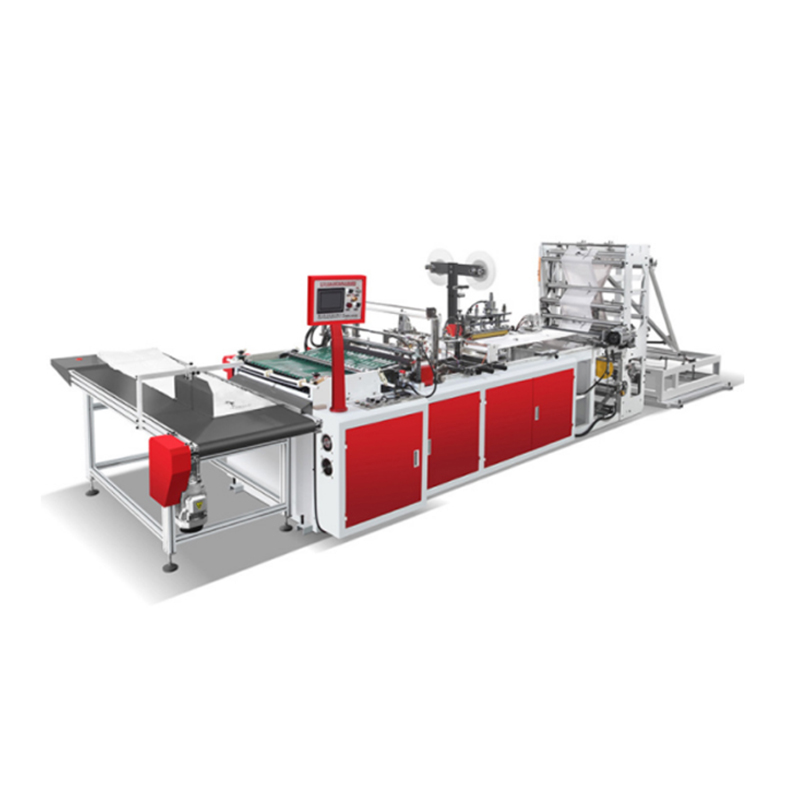

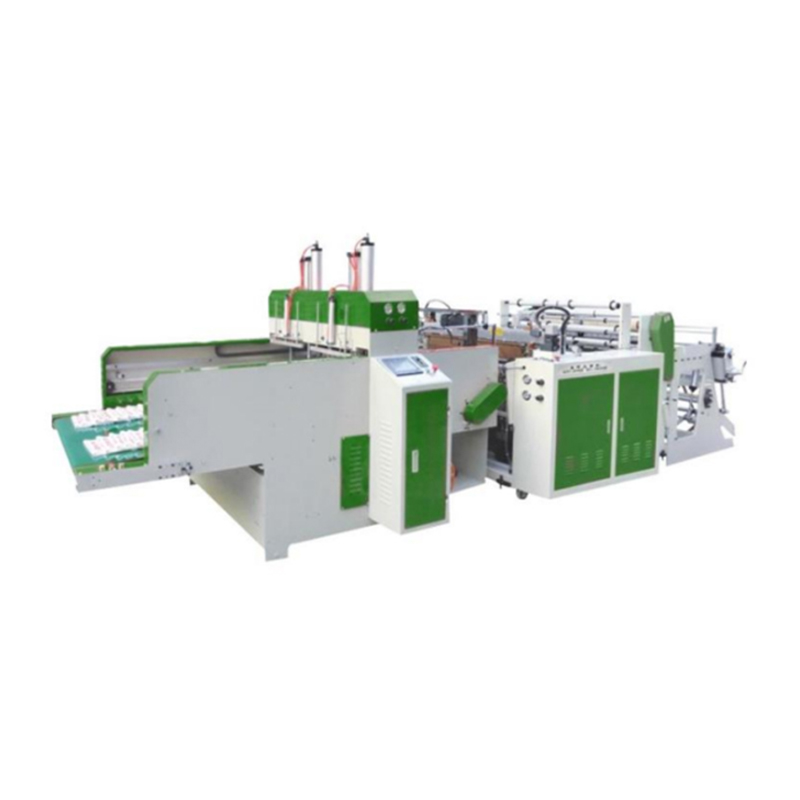
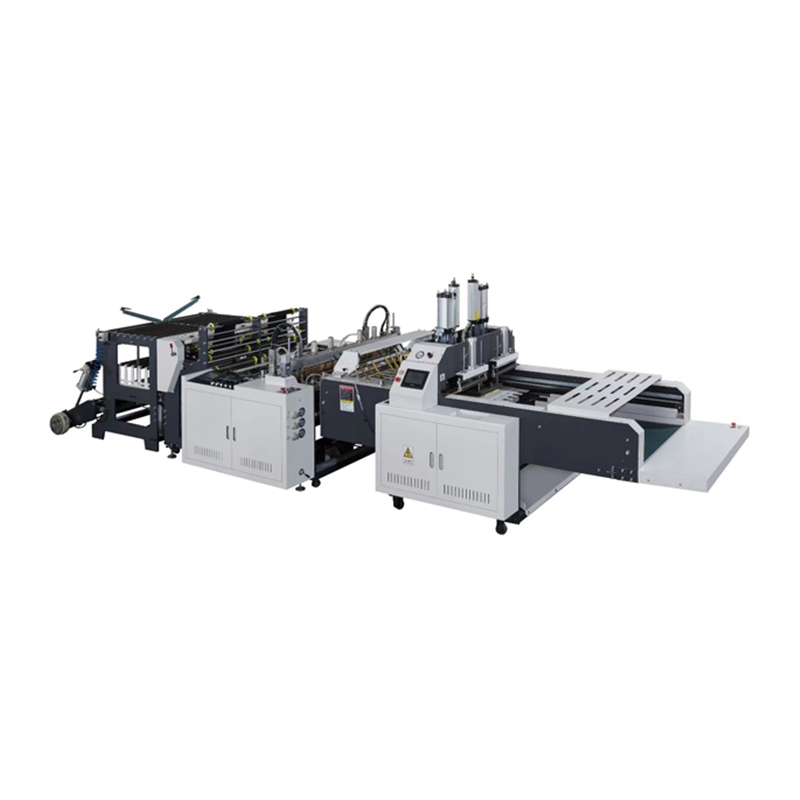
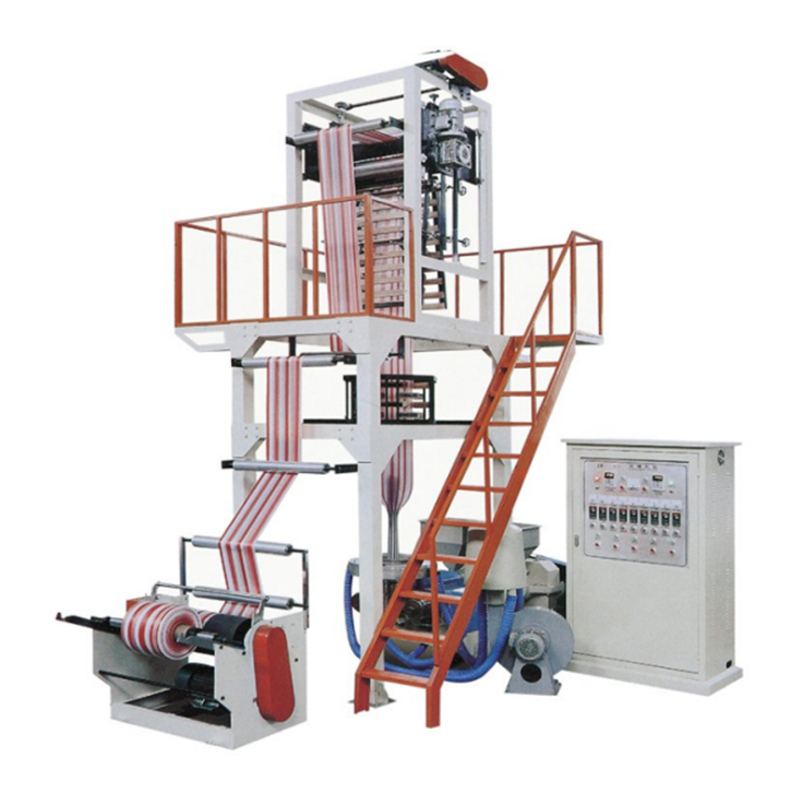
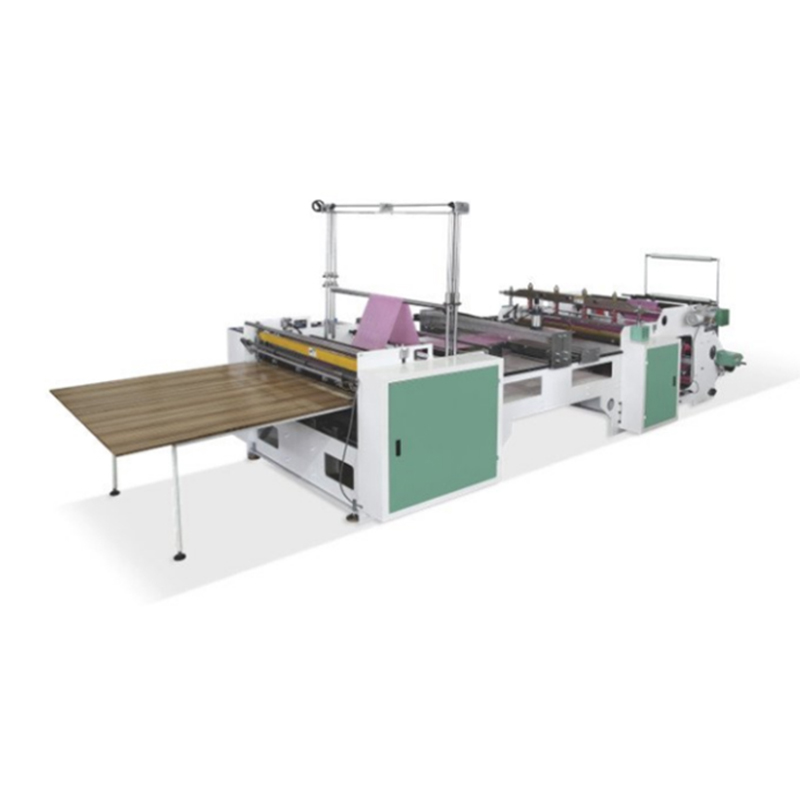
Wenzhou Chaoshun Machinery Co., Ltd. is a professional manufacturer of film blowing machines, printing machines, hot bag making machines and supporting equipment Manufacturing enterprises.
Since the establishment of the company, market-oriented, science and technology as the basis, vigorously developed new products. With excellent product quality and excellent enterprise reputation, the factory sells well in many provinces and autonomous regions throughout the country, and exports to Russia, Southeast Asia, the Middle East, Africa, and other places, trusted by users, gets consistent praise.
Our purpose: to provide the best products at a cheap price, with good service, to create a first-class plastic machine enterprise. Our factory strictly warmly welcomes friends from all walks of life at home and abroad to visit, mutual help and seek a common development great cause.
Pouch Machine Manufacturers design and build equipment that forms, fills, and seals flexible pouches from continuous film rolls. These machines serve packaging lines in food, pharmaceutical, and chemi...
READ MOREPlastic film shows up everywhere from packaging to agricultural covers, and a good portion of it starts life on a film casting machine. Unlike blown film extrusion, which shapes film through an upward...
READ MOREFrom Film Roll to Finished Bag A plastic film roll may look like a simple starting material, but turning it into a consistent batch of rubbish bags involves several coordinated steps. Film needs to en...
READ MOREFlexible packaging production often starts long before a finished bag reaches a packing line. One important stage involves turning plastic resin into a thin, continuous film. The Express Bag Blown Fil...
READ MOREIn many packaging workshops a continuous line of plastic film moves through a series of stations and emerges as finished bags with handles. The equipment that performs this conversion is known as a ve...
READ MOREFilm Preparation and Feeding Large rolls of polyethylene film arrive at the start of the line. Workers check the edges and thickness before loading them onto the unwind stand. The film then travels th...
READ MOREThe printing industry continues to use different types of equipment for packaging, labels, commercial materials, and industrial printing. Behind these machines, a Printing Press Machine Factory handle...
READ MORE