

 русский
 Español

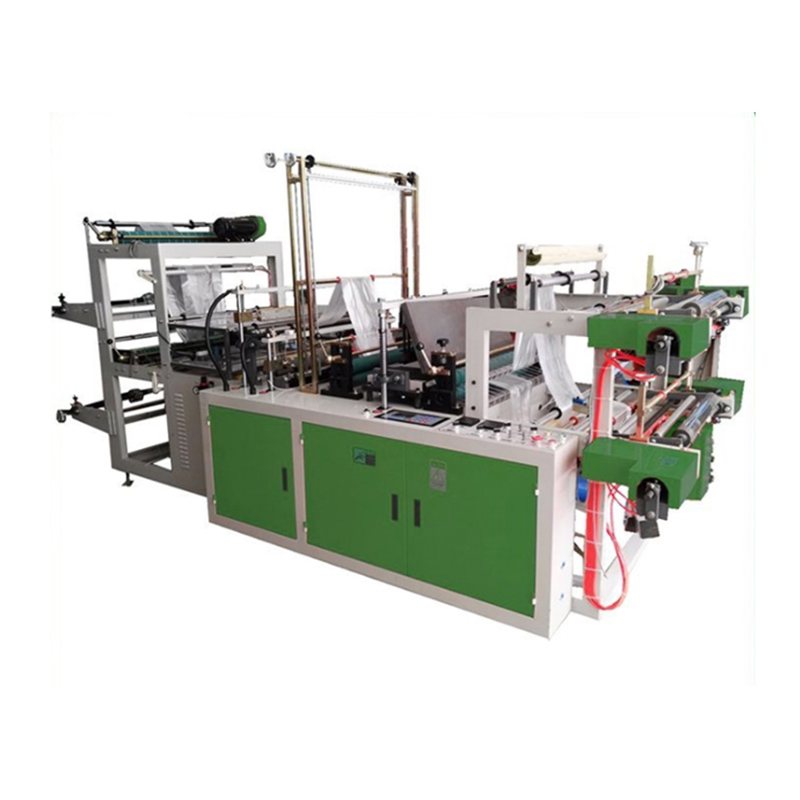
Model 800 Drawstring Bag Making Machine (Automatic Reel Change)
Use of the machine:This machine is the ideal equipment to produce all kinds of plastic flexible packaging, such as rubbish bags with drawstr...


The Model 1000 Flexographic Printing Press is a four-color flexographic printing machine manufactured by Wenzhou Chaoshun Machinery Co., Ltd., specifically designed for continuous roll-to-roll printing on flexible packaging materials. Featuring a heavy-duty cast frame, ceramic anilox rollers, hydraulic plate lifting, and pneumatic impression rollers, it is suitable for high-volume color printing on substrates such as plastic film and paper.
The machine accommodates a maximum material width of 1050mm and an effective printing width of 960mm. Powered by a three-phase 380V/50Hz supply and equipped with dual automatic tension control systems, it offers a stable structure and user-friendly operation, meeting the daily production requirements of packaging printing enterprises.

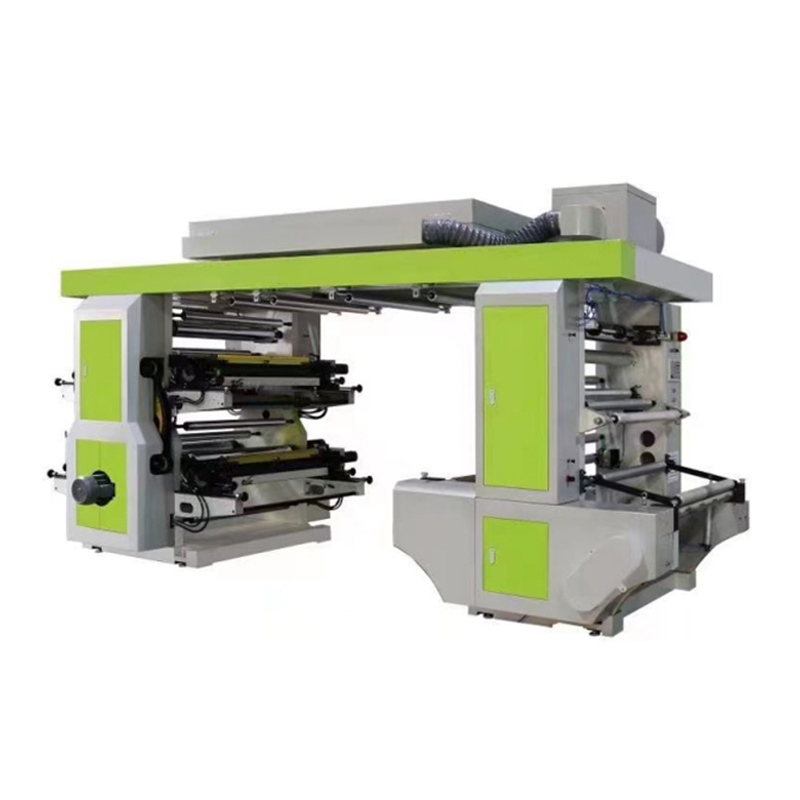
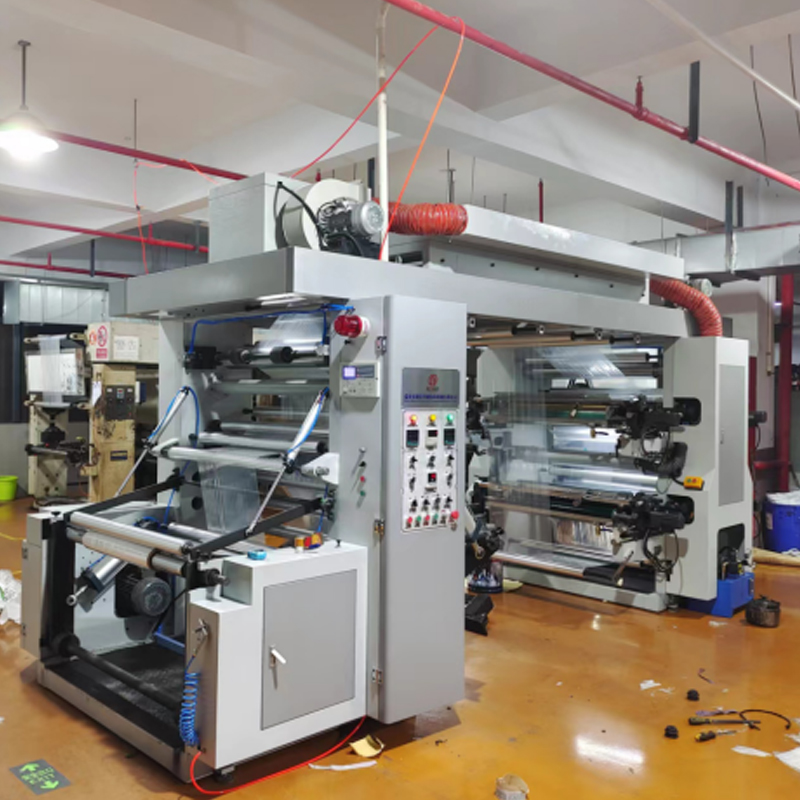
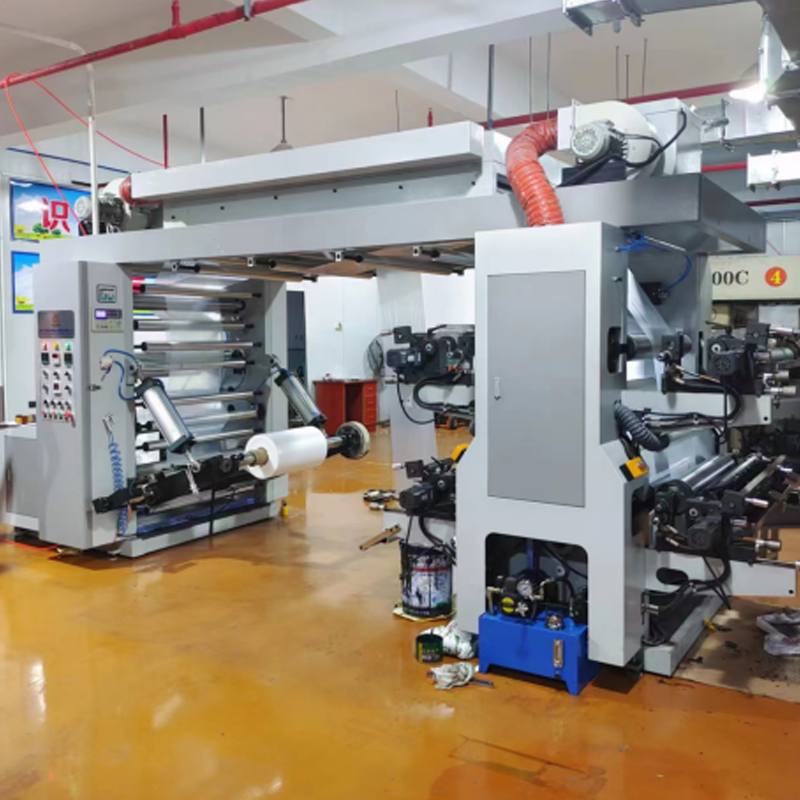
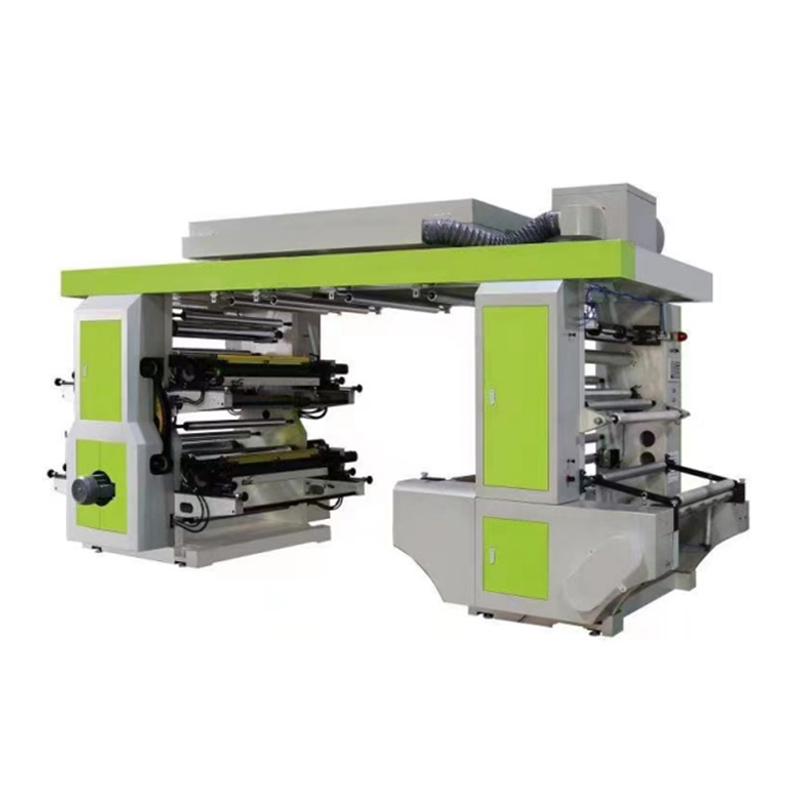
| Main Configurations: | 4-colour 1000 casting 75 thick wall plate Printing Material. |
| Oversize width: | 1050mm, Effective printing |
| Width: | 960m, 2 sets of automatic tension, 4 ceramic anilox rollers, 400=4 random rollers, hydraulic lifting and lowering plates, pneumatic press wheels, pneumatic loading and unloading, |
| Electricity: | Zhengtai Voltage: 3-phase 380V.50HZ, machine spray-painted wall white. |
Product Features
This machine is an industrial-grade flexographic printing unit that transfers ink onto a substrate via a flexible relief plate, followed by a drying and rewinding process. Designed to integrate with equipment such as film blowing machines and bag-making machines, it enables a complete production line spanning film manufacturing, printing, and bag formation. As a professional manufacturer, Chaoshun Machinery serves the domestic and international packaging industries, emphasizing practicality and cost-effectiveness to help buyers achieve consistent, multi-color printing output.
In B2B procurement contexts, the Model 1000 Flexographic Printing Press primarily serves small-to-medium-sized packaging printing plants, plastic product manufacturers, and OEM processors. It addresses common issues found in traditional printing equipment—such as slow plate changes and unstable tension control—and supports printing on a wide range of materials, including PE, BOPP, CPP, PET, PVC, and paper. It is well-suited for high-volume orders involving food packaging, consumer goods packaging, and courier bags. The machine features a white-painted finish and utilizes Chint electrical components, ensuring ease of maintenance and reliable long-term operation.
Specific Applications
The Model 1000 Flexographic Printing Press is widely used for web-fed printing in the flexible packaging industry, specifically for:
Plastic film packaging: Printing brand logos, graphics, barcodes, and usage instructions on PE, LDPE, and HDPE films used for products such as trash bags, vest-style carrier bags, flat bags, courier bags, and food preservation bags.
Laminated and multi-layer films: Color printing on substrates such as BOPP, CPP, and PET for applications including snack packaging, flexible packaging for personal care products, and agricultural mulch film labeling.
Paper and foil materials: Roll-to-roll printing on standard paper and aluminum foil, suitable for labels, simple wrapping paper, shopping bags, and more.
Integrated production lines: In-line operation with film blowing and bag-making machines, enabling direct printing on blown film followed immediately by bag conversion—ideal for the mass production of supermarket shopping bags, drawstring trash bags, etc.
Other industrial packaging: Multi-color printing on non-woven fabrics and basic label materials, with support for single-sided or optional double-sided printing configurations to meet small-to-medium batch custom orders.
These applications focus on continuous roll-to-roll production, with print lengths covering standard repeat ranges, helping factories increase hourly output while maintaining consistent color quality.
Key Solutions
Common pain points for B2B buyers include high waste rates due to unstable print registration, inefficiencies in handling small-batch orders caused by lengthy plate-change times, material stretching or wrinkling resulting from tension fluctuations, and complex equipment maintenance that drives up downtime costs.
The Model 1000 Flexographic Printing Press addresses these issues by utilizing an automatic tension control system and a hydraulic plate-lifting mechanism to enhance registration stability and simplify plate changes. Ceramic anilox rollers ensure uniform ink transfer and minimize color variation, while pneumatic systems streamline loading and unloading operations, reducing reliance on manual labor. Designed for durability and practicality—and featuring electrical components from Chint Electric—the press facilitates easy routine maintenance, helping factories reduce waste and maximize uptime during mass production while effectively meeting the demands of both private-label and OEM orders.
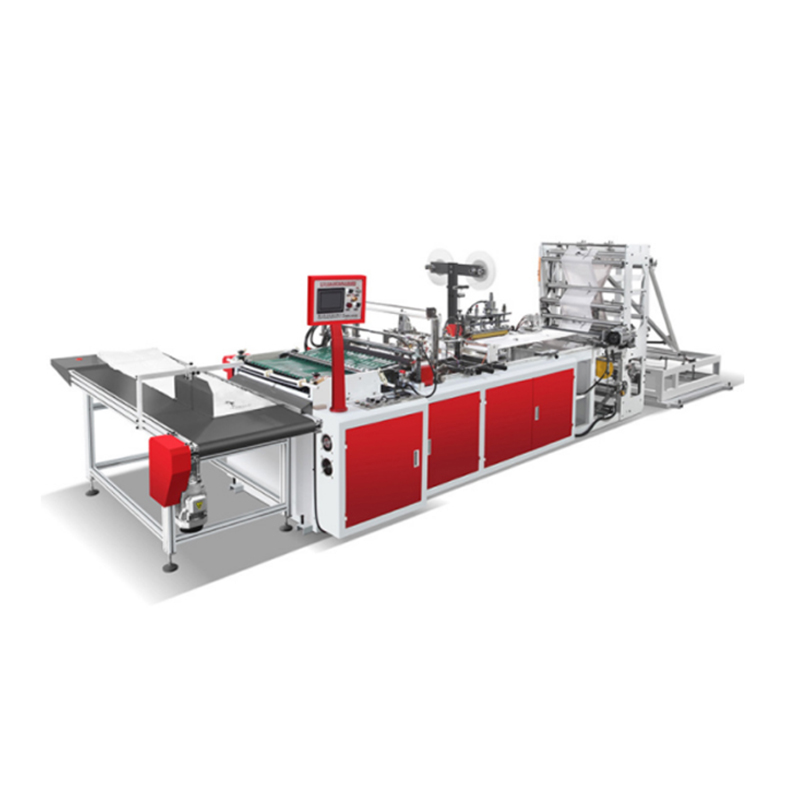

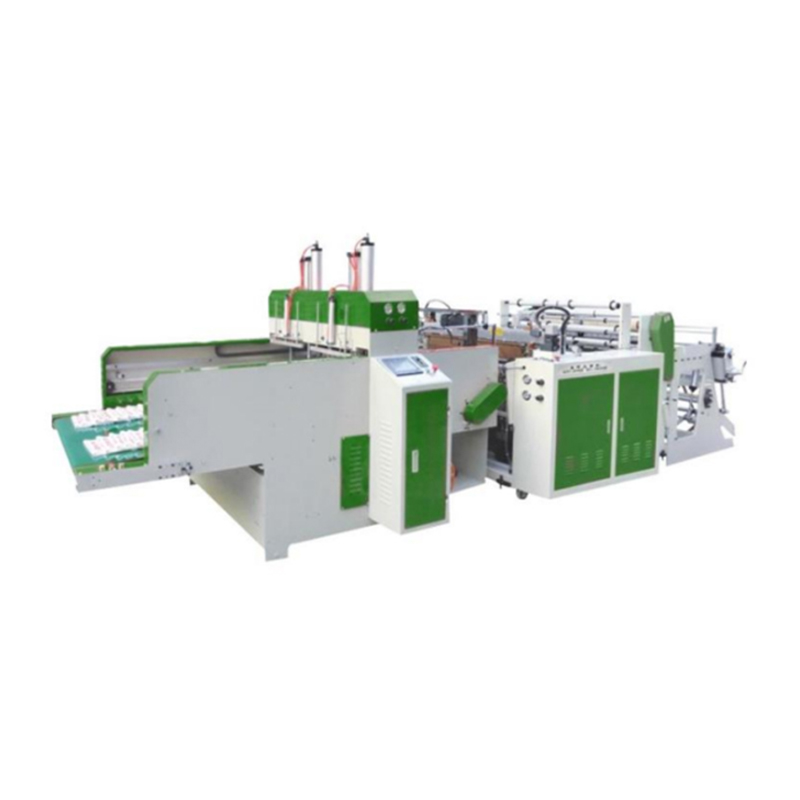
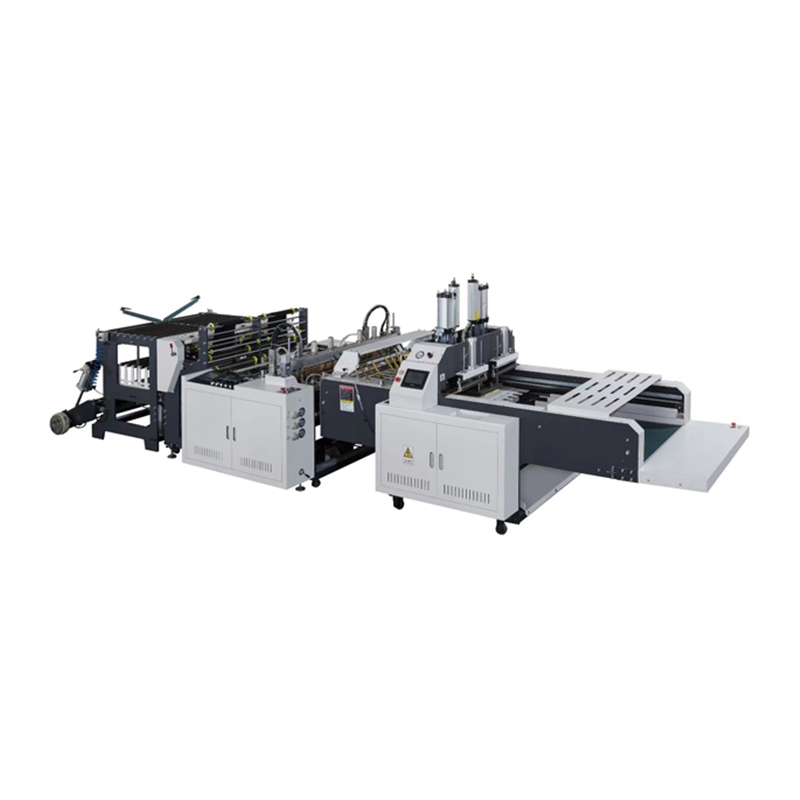
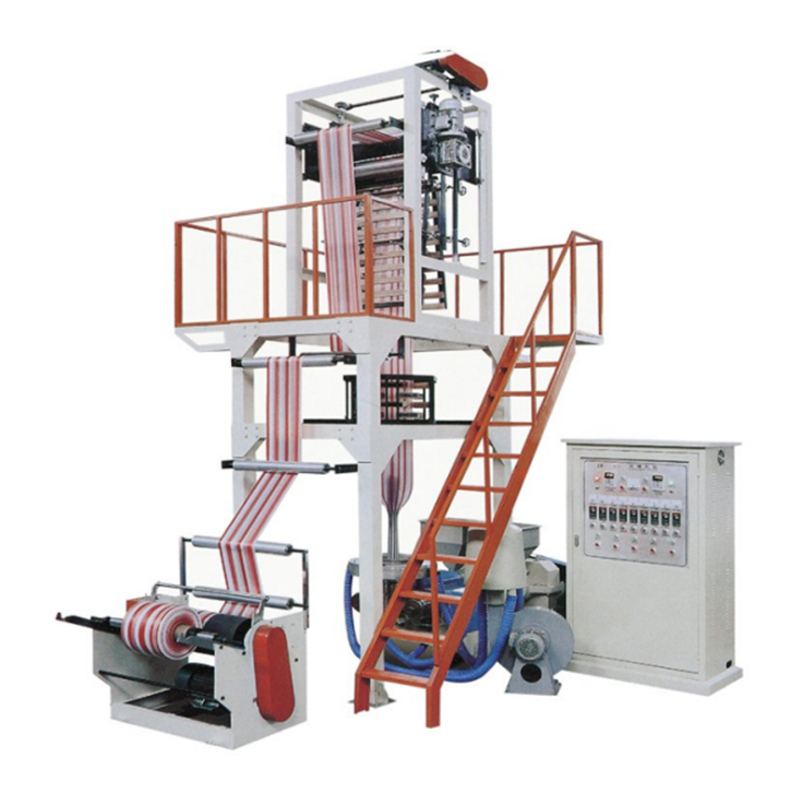
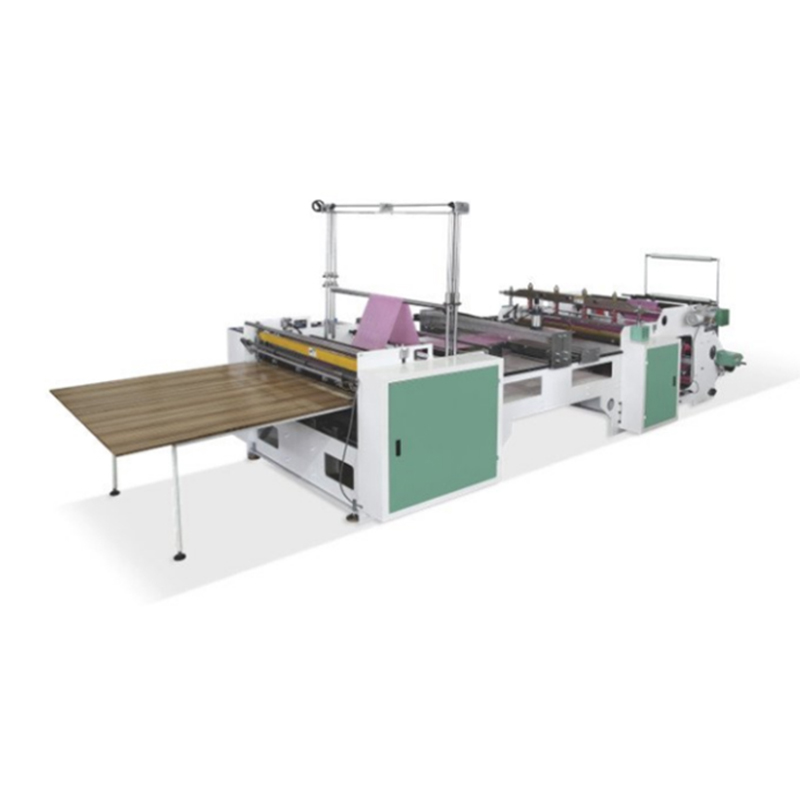
Wenzhou Chaoshun Machinery Co., Ltd. is a professional manufacturer of film blowing machines, printing machines, hot bag making machines and supporting equipment Manufacturing enterprises.
Since the establishment of the company, market-oriented, science and technology as the basis, vigorously developed new products. With excellent product quality and excellent enterprise reputation, the factory sells well in many provinces and autonomous regions throughout the country, and exports to Russia, Southeast Asia, the Middle East, Africa, and other places, trusted by users, gets consistent praise.
Our purpose: to provide the best products at a cheap price, with good service, to create a first-class plastic machine enterprise. Our factory strictly warmly welcomes friends from all walks of life at home and abroad to visit, mutual help and seek a common development great cause.
Pouch Machine Manufacturers design and build equipment that forms, fills, and seals flexible pouches from continuous film rolls. These machines serve packaging lines in food, pharmaceutical, and chemi...
READ MOREPlastic film shows up everywhere from packaging to agricultural covers, and a good portion of it starts life on a film casting machine. Unlike blown film extrusion, which shapes film through an upward...
READ MOREFrom Film Roll to Finished Bag A plastic film roll may look like a simple starting material, but turning it into a consistent batch of rubbish bags involves several coordinated steps. Film needs to en...
READ MOREFlexible packaging production often starts long before a finished bag reaches a packing line. One important stage involves turning plastic resin into a thin, continuous film. The Express Bag Blown Fil...
READ MOREIn many packaging workshops a continuous line of plastic film moves through a series of stations and emerges as finished bags with handles. The equipment that performs this conversion is known as a ve...
READ MOREFilm Preparation and Feeding Large rolls of polyethylene film arrive at the start of the line. Workers check the edges and thickness before loading them onto the unwind stand. The film then travels th...
READ MOREThe printing industry continues to use different types of equipment for packaging, labels, commercial materials, and industrial printing. Behind these machines, a Printing Press Machine Factory handle...
READ MORE